
In the realm of search engine optimization, the sitemap.xml file is essentially a roadmap that directs the search engines to your website’s content. This is a vital tool that assists the search engines in navigating your website’s pages and ultimately results in improved search engine visibility. Regardless of whether you are handling a small blog or an e-commerce website, it is essential that you have a proper XML sitemap in place for your search engine optimization success. This is a detailed guide that will help you understand everything there is to know about your sitemap.xml file.
What is a Sitemap.xml File?
An XML sitemap is essentially a file that contains all the key pages on your website in an organized manner that is easily accessible by search engines. It is a great source of metadata for each URL, such as when it was last updated, how frequently it is updated, and its relative importance within the context of other pages on your website. It is like a table of contents that helps search engine crawlers index your website more efficiently.
Although search engines are capable of crawling pages via internal links, a sitemap ensures that no important content is missed, especially in the case of new websites that have few links pointing to them.
Method 1: How to Create a Sitemap.xml Manually
Creating a sitemap manually gives you complete control over its structure and content. While this method requires more technical knowledge, it’s ideal for small websites or when you need precise customization.
Step 1: Create the XML File Structure
Open a text editor and create a new file named ‘sitemap.xml’. Start with the XML declaration and the urlset element:
<?xml version=”1.0″ encoding=”UTF-8″?> <urlset xmlns=”http://www.sitemaps.org/schemas/sitemap/0.9″>
Step 2: Add URL Entries
For each page you want to include, add a URL entry with the following structure:
<url> <loc>https://www.yourwebsite.com/page-url/</loc> <lastmod>2025-02-19</lastmod> <changefreq>weekly</changefreq> <priority>0.8</priority> </url>
Understanding the Elements:
- <loc>: The complete URL of the page (required)
- <lastmod>: The date of last modification in YYYY-MM-DD format (optional)
- <changefreq>: How frequently the page changes: always, hourly, daily, weekly, monthly, yearly, never (optional)
- <priority>: The relative importance of the page (0.0 to 1.0, with 1.0 being most important)
Step 3: Close the XML Structure
After adding all your URLs, close the urlset tag:
</urlset>
Step 4: Upload to Your Website Root
Upload the sitemap.xml file to your website’s root directory using FTP or your hosting control panel. The file should be accessible at https://yourwebsite.com/sitemap.xml
Method 2: How to Create a Sitemap Through Plugins
For most website owners, especially those using content management systems like WordPress, plugins offer the easiest and most efficient way to create and maintain sitemaps. These tools automatically generate and update your sitemap as you add or modify content.
For WordPress Users:
Using Yoast SEO Plugin
- Install and activate the Yoast SEO plugin from your WordPress dashboard
- Navigate to SEO → General → Features
- Enable the ‘XML sitemaps’ toggle
- Click the question mark icon next to ‘XML sitemaps’ to view your sitemap
- Customize which post types and taxonomies to include under SEO → Search Appearance
Yoast SEO automatically updates your sitemap whenever you publish, update, or delete content, ensuring search engines always have the latest information about your site.
Using Rank Math Plugin
- Install and activate Rank Math from the WordPress plugin repository
- Go through the setup wizard or navigate to Rank Math → Sitemap Settings
- The sitemap feature is enabled by default
- Configure which content types to include in your sitemap
- Access your sitemap at yourwebsite.com/sitemap_index.xml
For Other CMS Platforms:
- Shopify: Automatically generates sitemaps at yourstore.com/sitemap.xml
- Wix: Automatically creates and submits sitemaps to Google
- Squarespace: Auto-generates sitemaps accessible from the settings
- Joomla: Use extensions like JSitemap or OSMap
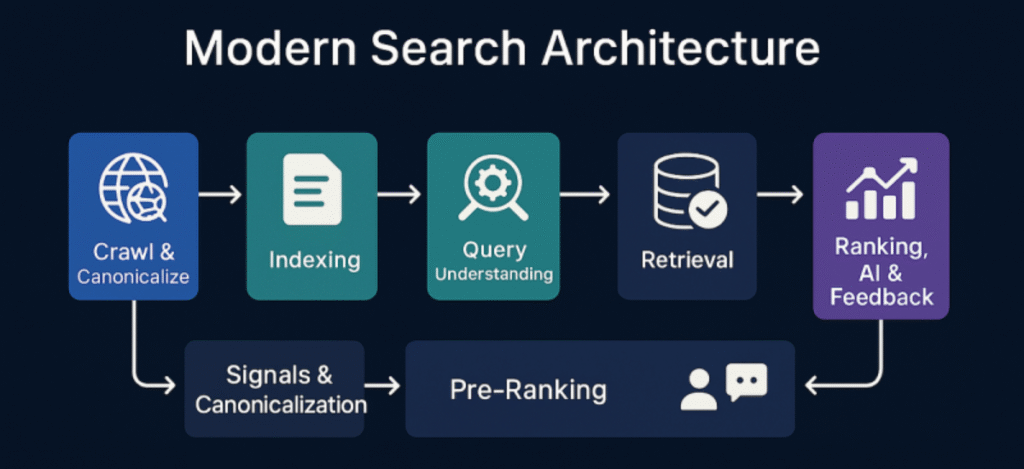
How to Check Your Sitemap: Google Search Console & Manual Methods
After creating your sitemap, it’s crucial to verify it’s working correctly and submit it to search engines for optimal indexing.
Checking Through Google Search Console
Google Search Console is the official tool for monitoring how Google interacts with your website, including sitemap submission and status.
- Add Your Website to Google Search Console: If you haven’t already, go to search.google.com/search-console and add your property by verifying ownership
- Submit Your Sitemap: Navigate to Sitemaps in the left sidebar, enter your sitemap URL (e.g., sitemap.xml or sitemap_index.xml), and click Submit
- Monitor Sitemap Status: The Sitemaps report shows the number of discovered URLs, when the sitemap was last read, and any errors encountered
- Check for Errors: If errors appear, click on the sitemap to see specific issues like unreachable URLs, redirect chains, or blocked pages
- Review Coverage Report: Go to Coverage to see which pages are indexed, excluded, or have errors
Manual Checking Methods
1. Direct Browser Access
Simply type your sitemap URL (https://yourwebsite.com/sitemap.xml) into a web browser. You should see a formatted XML file listing all your URLs. If you see a 404 error, your sitemap isn’t properly uploaded or accessible.
2. Online XML Sitemap Validators
Use free online tools like XML Sitemap Validator or SEO Site Checkup to verify your sitemap’s syntax and structure. These tools identify issues such as:
- Incorrect XML formatting
- Broken or redirecting URLs
- Missing required elements
- Exceeding the 50,000 URL limit per sitemap
3. Check Your Robots.txt File
Visit yourwebsite.com/robots.txt to ensure it includes a reference to your sitemap:
Sitemap: https://yourwebsite.com/sitemap.xml
This helps search engines discover your sitemap automatically.
4. Test Individual URLs
Manually visit a few URLs from your sitemap to ensure they’re accessible and return a 200 status code (not 404, 301, or 302).
How a Sitemap.xml Impacts Your Website
Understanding the impact of a properly configured sitemap on your website is essential for appreciating its importance in your overall SEO strategy.
1. Faster Indexing of New Content
When you add new pages or blog posts, a sitemap notifies search engines right away. Rather than waiting for search engines to crawl your content via links, they can do so in a matter of hours or even minutes. This is especially helpful for time-sensitive content such as news articles or product announcements.
2. Improved Crawl Efficiency
Each website is allocated a ‘crawl budget’ by search engines – the number of pages they will crawl in a certain period of time. A sitemap can help crawlers crawl your website more efficiently, making sure that the most important pages are crawled first. This is particularly important for large websites with thousands of pages, where crawl budget optimization can make a big difference.
3. Better Coverage for Deep Pages
Pages deep within your site’s structure, which may take several clicks from the home page, could potentially be missed by search engine crawlers. A sitemap helps to ensure that these pages are not missed and are indexed.
4. Enhanced SEO Performance
Although having a sitemap by itself does not ensure that your pages will rank higher, it does ensure that all your pages have a chance to rank. The more pages that are indexed, the more opportunities you have of showing up in search engine results for a given search.
5. Easier Website Management
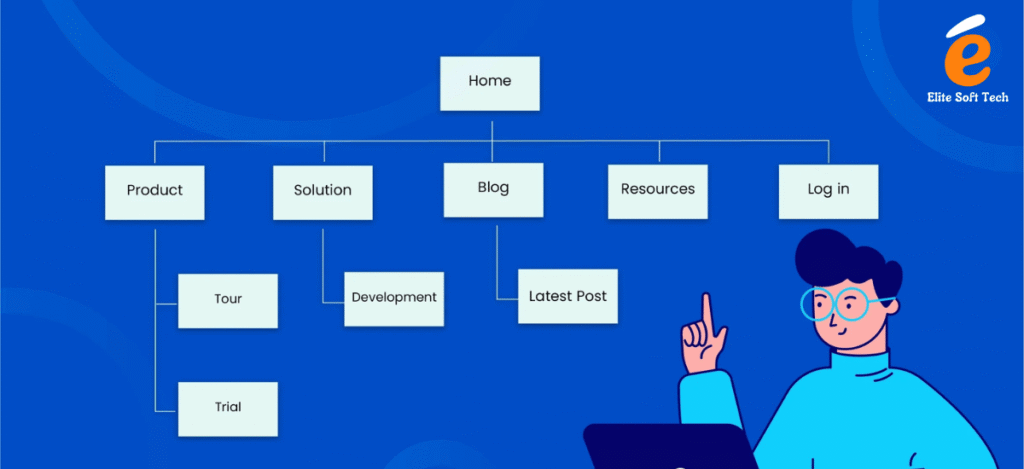
Sitemaps are a rich source of information regarding your website’s structure. While analyzing your sitemap through Google Search Console, you can spot problems in the indexing of your website, find out which pages are orphaned, and know how search engines view the structure of your website.
6. Competitive Advantage
Most websites, especially smaller ones, lack proper sitemaps. By implementing and maintaining an optimized sitemap, you have an edge in search engine visibility. Your content will be discovered faster, indexed more thoroughly, and has a better chance of ranking higher than your competitors who fail to optimize this basic SEO requirement Sitemap Best Practices for Maximum Impact
To maximize your sitemap’s effectiveness, follow these proven best practices:
- Include Only Indexable Pages: Don’t list pages blocked by robots.txt, protected by login, or marked with noindex tags
- Use Canonical URLs: Always list the preferred version of each page to avoid duplicate content issues
- Keep It Updated: Ensure your sitemap reflects your current site structure, removing deleted pages and adding new ones
- Split Large Sitemaps: If you have more than 50,000 URLs, create multiple sitemaps and use a sitemap index file
- Set Realistic Priorities: Use the priority element thoughtfully to indicate your most important pages
- Monitor Regularly: Check Google Search Console weekly for sitemap errors and indexing issues
Conclusion
The process of creating a sitemap.xml file is a basic yet highly effective SEO technique that has a direct bearing on the speed of indexing of your website and its search engine rankings. Whether you decide to create your sitemap manually for greater control or use plugins for ease of use, the important thing is to ensure that your sitemap is accurate, complete, and up-to-date.
By using Google Search Console to submit your sitemap and track its performance, you will be able to derive immense benefit from understanding how search engines behave on your website. In addition to manual verification and best practices, an optimized sitemap is an extremely valuable addition to your SEO arsenal.
It is important to remember that although a sitemap may not be the magic bullet that catapults your website to the very top of the search engine rankings, it is a guarantee that your website content has the very best chance of being discovered and ranked. In today’s cutthroat online environment, this can be the difference between obscurity and recognition. Begin the process of creating or optimizing your sitemap today, and watch as search engines begin to navigate your website with ease and effectiveness.