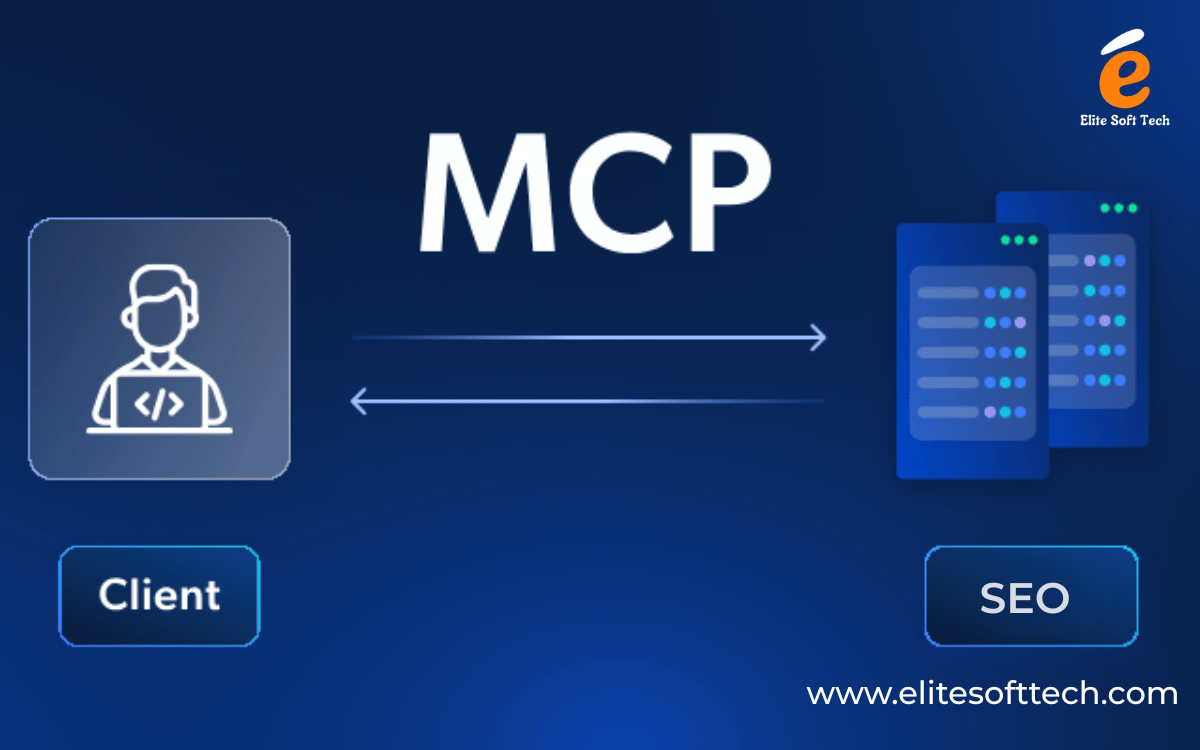
Search engine optimization has never been a static discipline. Every time Google rolls out a significant update – from Panda to Penguin, from BERT to the Helpful Content System – the rules shift, and websites that adapt early gain the upper hand. In 2026, we are witnessing arguably the most transformative shift yet: the rise of Web MCP (Web Model Context Protocol) and its growing intersection with how Google evaluates and ranks websites. What Is Web MCP and Why Does It Matter for SEO? Web MCP – short for Web Model Context Protocol – is a proposed web standard introduced by engineers at Google and Microsoft under the W3C Web Machine Learning Community Group. At its core, Web MCP aims to provide a standard way for exposing structured tools, ensuring AI agents can perform actions on your site with increased speed, reliability, and precision. Chrome Developers Instead of an AI agent guessing how to use your website by analyzing screenshots, Web MCP lets the website tell the agent exactly what tools are available and how to invoke them. Instead of relying on a slow and fragile approach of capturing screenshots and guessing what to click on, Web MCP replaces this guessing game with structured data – effectively converting a website into a set of capabilities. Currently available as an early preview in Chrome 146, Web MCP proposes two complementary APIs: These two APIs serve as a bridge between websites and AI agents. The Declarative API handles standard actions that can be defined directly in existing HTML forms, while the Imperative API handles more complex, dynamic interactions that require JavaScript execution – where developers define richer tool schemas running entirely client-side in the browser You can explore Google’s official documentation and join the Early Preview Program at developer.chrome.com/blog/webmcp-epp. Google has also launched the Google Analytics MCP server, which lets you connect your Analytics data directly to an LLM – enabling AI-powered data analysis, custom agents, and smarter reporting: developers.google.com/analytics/devguides/MCP. The Google Update Connection: Why “Agent-Ready” Sites Will Win Google has been incorporating AI into its search engine for years with RankBrain, BERT, MUM, and now AI Overviews (SGE). Each iteration has brought the divide between machine understanding and human intent closer. Web MCP does this at a much accelerated pace.The technology change involved here is considerable. Going from a vision-based model to a Web MCP-based model promises to bring lower latency (no waiting for screenshots to be processed), higher accuracy with structured JSON data, and lower costs as text-based schemas are much cheaper to process than sending high-definition images to an LLM. Rather than acting as a direct ranking factor today, Web MCP is best understood as the next frontier of technical SEO. AI-agent traffic could become as important as traditional search traffic, and early adopters will benefit most. SEO Specialist India Websites that invest now in the foundations Web MCP requires – clean forms, stable UX, semantic HTML – are building the same infrastructure that Google’s core ranking algorithm already rewards. Key SEO Ranking Factors That Align With Web MCP Readiness 1. Technical SEO and Crawlability Technical SEO is the silent ranking factor. When it is correct, nobody notices. When it is wrong, everything suffers. Page experience, crawlability, and clean indexing will continue to be crucial in 2026 because Google’s systems will not reward pages that it cannot access, parse, or trust. ClickRank With regards to Web MCP, semantic HTML is crucial because it is understandable not only by crawlers but also by AI agents. URL structures and Java Scripts should not restrict access to primary functionality. When your dynamic interactions are not correctly exposed via the Imperative API, AI agents will not understand them, and therefore discoverability of AI agents and technical SEO will be impacted. 2. Core Web Vitals: LCP, INP, and CLS Google updated Core Web Vitals in 2026, making Interaction to Next Paint (INP) and scroll performance metrics critical for ranking. These metrics are measured using real Chrome user data, not just lab tests. Core Web Vitals don’t replace content or authority, but they shape how users feel when they land — and that directly affects satisfaction signals. A clean, fast, stable page is both a better human experience and a better agent experience. Optimizing for Core Web Vitals is one of the most impactful dual-purpose investments you can make. 3. Clean Form Structure and Stable UX Flows Clean structure and labels, predictable input, and stable redirects are no longer “nice to have.” Multi-step popups, inconsistent state, and heavy JS changes not only hinder humans, they also break agent workflows. Techpullers The Declarative API at Web MCP is literally built on top of existing HTML forms. If you already have good structure in your forms, you may already be most of the way there with minimal additional work. 4. Content Quality and Search Intent Alignment Ranking is no longer driven by keyword manipulation and volume of content published. Rather, it is driven by whether or not a page clearly and consistently provides information that satisfies user intent. Quad cubesIn 2026, Google will evaluate intent satisfaction depth: did we answer the user’s question on that page? Does it satisfy them on that page? Generic and redundant information does not pass this satisfaction test and will fail regardless of technical and on-page optimization efforts. QuadcubesWell-structured and clear content makes it easier for AI agents to find the right tool and information to surface on behalf of users for Web MCP. 5. E-E-A-T: Experience, Expertise, Authoritativeness, Trustworthiness Google’s algorithms use AI to verify author and entity information. Sites with anonymous content, vague statements, and unverified expertise have difficulty surfacing in SGE and competitive search engine results. Quad cubesIn Web MCP, E-E-A-T is a trust indicator for Google’s algorithms and for AI agents determining which sites to query on behalf of users. Verifying authority through bios, credentials, citations, and brand presence is a long-term play with compounding interest. 6. Structured Data and Schema Markup Schema markup helps Google understand
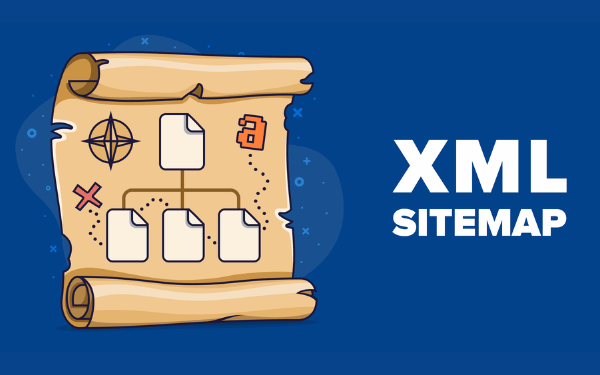
How to Create Sitemap.xml for Faster Indexing & Better Rankings
In the realm of search engine optimization, the sitemap.xml file is essentially a roadmap that directs the search engines to your website’s content. This is a vital tool that assists the search engines in navigating your website’s pages and ultimately results in improved search engine visibility. Regardless of whether you are handling a small blog or an e-commerce website, it is essential that you have a proper XML sitemap in place for your search engine optimization success. This is a detailed guide that will help you understand everything there is to know about your sitemap.xml file. What is a Sitemap.xml File? An XML sitemap is essentially a file that contains all the key pages on your website in an organized manner that is easily accessible by search engines. It is a great source of metadata for each URL, such as when it was last updated, how frequently it is updated, and its relative importance within the context of other pages on your website. It is like a table of contents that helps search engine crawlers index your website more efficiently. Although search engines are capable of crawling pages via internal links, a sitemap ensures that no important content is missed, especially in the case of new websites that have few links pointing to them. Method 1: How to Create a Sitemap.xml Manually Creating a sitemap manually gives you complete control over its structure and content. While this method requires more technical knowledge, it’s ideal for small websites or when you need precise customization. Step 1: Create the XML File Structure Open a text editor and create a new file named ‘sitemap.xml’. Start with the XML declaration and the urlset element: <?xml version=”1.0″ encoding=”UTF-8″?> <urlset xmlns=”http://www.sitemaps.org/schemas/sitemap/0.9″> Step 2: Add URL Entries For each page you want to include, add a URL entry with the following structure: <url> <loc>https://www.yourwebsite.com/page-url/</loc> <lastmod>2025-02-19</lastmod> <changefreq>weekly</changefreq> <priority>0.8</priority> </url> Understanding the Elements: Step 3: Close the XML Structure After adding all your URLs, close the urlset tag:</urlset> Step 4: Upload to Your Website Root Upload the sitemap.xml file to your website’s root directory using FTP or your hosting control panel. The file should be accessible at https://yourwebsite.com/sitemap.xml Method 2: How to Create a Sitemap Through Plugins For most website owners, especially those using content management systems like WordPress, plugins offer the easiest and most efficient way to create and maintain sitemaps. These tools automatically generate and update your sitemap as you add or modify content. For WordPress Users: Using Yoast SEO Plugin Yoast SEO automatically updates your sitemap whenever you publish, update, or delete content, ensuring search engines always have the latest information about your site. Using Rank Math Plugin For Other CMS Platforms: How to Check Your Sitemap: Google Search Console & Manual Methods After creating your sitemap, it’s crucial to verify it’s working correctly and submit it to search engines for optimal indexing. Checking Through Google Search Console Google Search Console is the official tool for monitoring how Google interacts with your website, including sitemap submission and status. Manual Checking Methods 1. Direct Browser Access Simply type your sitemap URL (https://yourwebsite.com/sitemap.xml) into a web browser. You should see a formatted XML file listing all your URLs. If you see a 404 error, your sitemap isn’t properly uploaded or accessible. 2. Online XML Sitemap Validators Use free online tools like XML Sitemap Validator or SEO Site Checkup to verify your sitemap’s syntax and structure. These tools identify issues such as: 3. Check Your Robots.txt File Visit yourwebsite.com/robots.txt to ensure it includes a reference to your sitemap:Sitemap: https://yourwebsite.com/sitemap.xmlThis helps search engines discover your sitemap automatically. 4. Test Individual URLs Manually visit a few URLs from your sitemap to ensure they’re accessible and return a 200 status code (not 404, 301, or 302). How a Sitemap.xml Impacts Your Website Understanding the impact of a properly configured sitemap on your website is essential for appreciating its importance in your overall SEO strategy. 1. Faster Indexing of New Content When you add new pages or blog posts, a sitemap notifies search engines right away. Rather than waiting for search engines to crawl your content via links, they can do so in a matter of hours or even minutes. This is especially helpful for time-sensitive content such as news articles or product announcements. 2. Improved Crawl Efficiency Each website is allocated a ‘crawl budget’ by search engines – the number of pages they will crawl in a certain period of time. A sitemap can help crawlers crawl your website more efficiently, making sure that the most important pages are crawled first. This is particularly important for large websites with thousands of pages, where crawl budget optimization can make a big difference. 3. Better Coverage for Deep Pages Pages deep within your site’s structure, which may take several clicks from the home page, could potentially be missed by search engine crawlers. A sitemap helps to ensure that these pages are not missed and are indexed. 4. Enhanced SEO Performance Although having a sitemap by itself does not ensure that your pages will rank higher, it does ensure that all your pages have a chance to rank. The more pages that are indexed, the more opportunities you have of showing up in search engine results for a given search. 5. Easier Website Management Sitemaps are a rich source of information regarding your website’s structure. While analyzing your sitemap through Google Search Console, you can spot problems in the indexing of your website, find out which pages are orphaned, and know how search engines view the structure of your website. 6. Competitive Advantage Most websites, especially smaller ones, lack proper sitemaps. By implementing and maintaining an optimized sitemap, you have an edge in search engine visibility. Your content will be discovered faster, indexed more thoroughly, and has a better chance of ranking higher than your competitors who fail to optimize this basic SEO requirement Sitemap Best Practices for Maximum Impact To maximize your sitemap’s effectiveness, follow these proven best practices: Conclusion The process of
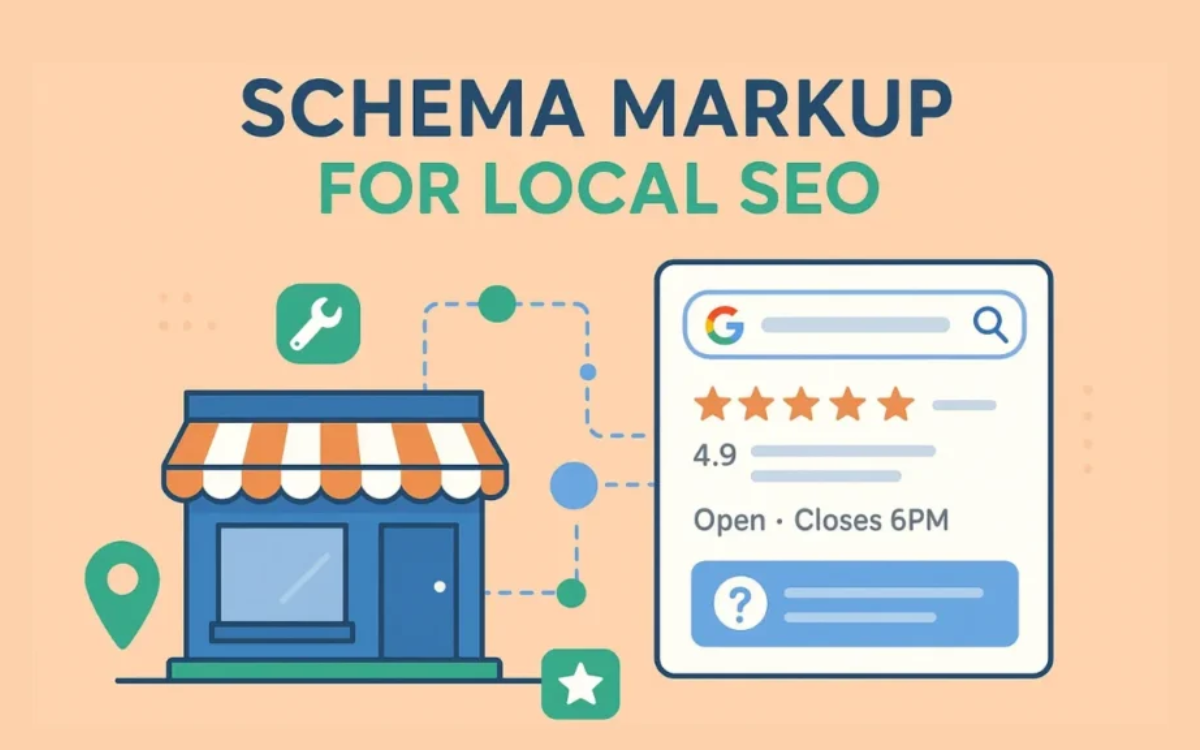
How to Add and Verify Local Schema Markup to Improve Local SEO Visibility
You’re missing out on an effective instrument that might significantly boost your online visibility if you’re a local business owner having trouble standing out in search results. One of the most underutilized but successful methods for improving your local SEO performance is local schema markup. Learn exactly what local schema markup is, why it matters, and how to use it on your website to dominate local search results in this thorough guide. What Is Local Schema Markup? You can improve search engines’ comprehension of your company information by adding local schema markup, a type of structured data, to the code of your website. Consider it a layer of translation between search engines like Google and your website. Although your company name, address, phone number, and operating hours are easily identifiable to humans from your website, search engines require explicit signals in order to reliably extract and display this information. A standardized vocabulary from Schema.org, a partnership between Google, Microsoft, Yahoo, and Yandex, is used in schema markup. By using local schema markup, you are effectively giving search engines a well-structured dataset about your company that they can use in the creation of knowledge panels, rich snippets, and improved local search results. Why Local Schema Markup Matters for Your Business It is impossible to exaggerate how important local schema markup is to your local SEO visibility. You should prioritize it in your digital marketing strategy for these reasons Improved Search Visibility: Your company is eligible for rich search engine results when local schema markup is properly implemented. By doing this, you can differentiate your company from rivals by having your listing show up in search results with extra details like star ratings, business hours, price range, and images. Higher Click-Through Rates: Schema markup makes rich snippets that show up more aesthetically pleasing and educational. Improved search results have been shown to increase click-through rates by 20–30%, resulting in more targeted visitors to your website. Improved Voice Search Performance: Local schema markup grows more and more crucial as voice search keeps expanding. For voice assistants to accurately respond to local queries like “best Italian restaurant in downtown” or “plumber near me,” structured data is essential. Enhanced Credibility and Trust: Search engines are more inclined to feature your company prominently when they can validate its information using schema markup. Among these are tools like the Google Knowledge Panel, which significantly improves credibility and trust with prospective clients. Competitive advantage: Local schema markup continues to be underutilized by local businesses, despite its advantages. You can quickly outperform rivals who are lacking this crucial element by including it to your website. Essential Types of Local Schema Markup Before diving into implementation, it’s important to understand the different types of local schema markup that are most beneficial for local businesses: LocalBusiness Schema: This is the foundational schema type for any local business. It includes basic information like your business name, address, phone number, website URL, and business hours. There are also specialized subtypes like Restaurant, Attorney, Dentist, and AutoRepair that provide additional relevant fields. Organization Schema: This broader schema type helps establish your business entity and can include information about your logo, social media profiles, and corporate structure. Review Schema: This markup allows you to display star ratings and review counts directly in search results, which is incredibly powerful for building trust and attracting clicks. Opening Hours Schema: Explicitly marking up your business hours ensures that potential customers see accurate information about when you’re open, reducing frustration and improving the customer experience. GeoCoordinates Schema: Adding precise geographic coordinates helps search engines understand exactly where your business is located, improving your visibility in local map results. Step-by-Step Guide to Adding Local Schema Markup Now let’s walk through the process of implementing local schema markup on your website. Don’t worry if you’re not particularly technical – there are multiple methods to choose from based on your comfort level. Method 1: Using JSON-LD (Recommended) JSON-LD (JavaScript Object Notation for Linked Data) is Google’s recommended format for schema markup because it’s easy to implement and maintain. Here’s a basic example for a local restaurant: To implement this, simply paste the code into the <head> or <body> section of your website’s HTML. You’ll need to replace the example information with your actual business details. Method 2: Using WordPress Plugins If your website runs on WordPress, several excellent plugins can help you add local schema markup without touching code: These plugins typically provide form fields where you enter your business information, and they automatically generate the proper schema markup for you. Method 3: Using Google Tag Manager For those who prefer a centralized approach to managing website tags, Google Tag Manager offers a clean way to implement schema markup without modifying your website’s core code. You can create a custom HTML tag containing your JSON-LD schema and deploy it across your site with trigger rules. How to Verify Your Local Schema Markup Adding schema markup is only half the battle – you must verify that it’s working correctly. Here’s how to ensure your implementation is error-free: Google’s Rich Results Test Visit Google’s Rich Results Test tool and enter your website URL. This tool will scan your page and show you which schema types it detects and whether there are any errors or warnings. Pay close attention to any critical errors, as these can prevent your markup from working properly. Schema Markup Validator The official Schema.org validator provides detailed analysis of your markup. It checks for syntax errors and validates that your schema follows the correct structure. This is particularly useful for catching typos or formatting issues in your JSON-LD code. Google Search Console After implementing your schema markup, monitor the “Enhancements” section in Google Search Console. This area shows how Google is interpreting your structured data and alerts you to any issues it encounters while crawling your site. You’ll see reports for different schema types like Local Business, Product, and Review markup. Manual Testing Don’t forget to do real-world testing. Search
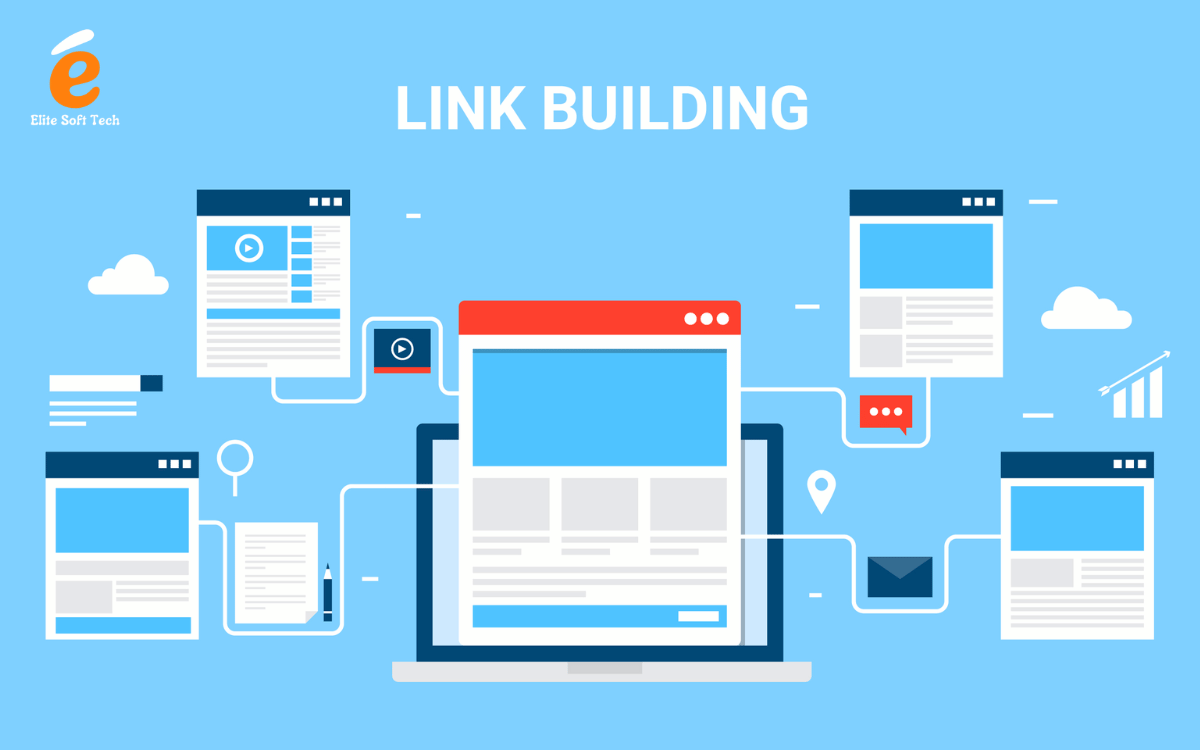
How Backlinks Increase Website Traffic: A Complete Guide
In the competitive world of digital marketing, understanding how to generate high-quality traffic to your website is the key to success. Although there are many ways to achieve this, backlinks remain one of the most effective and long-term solutions for increasing the visibility of your website and generating quality traffic. In this ultimate guide, we will delve into the connection between backlinks and website traffic to give you valuable information to help you grow your online business. Understanding Backlinks and Their Impact Backlinks, also referred to as inbound links or incoming links, are hyperlinks from one website to another. When another website links to your content, it establishes a route for visitors and search engines to reach your website. These online recommendations have several purposes in the online world and function as a vote of confidence that indicates the relevance of your content. The connection between backlinks and traffic is complex. Backlinks not only establish a route for visitors to reach your website, but they also have a significant impact on how search engines view your website. This connection is essential for anyone who wants to establish a long-term online presence. The Direct Traffic Benefits of Backlinks One of the most apparent benefits of backlinks is the direct referral traffic that you receive. When your site is mentioned or linked to on another site, visitors who click on that link are sent directly to your site. This is particularly important because the backlink is coming from a site that has a lot of engagement and is related to your niche. For example, let’s say that you have a leading blog in your industry that mentions your service or links to your content. The visitors of that blog are the perfect candidates to become your visitors, subscribers, or customers. This traffic is more likely to convert than traffic from a search engine because these visitors already have a pre-existing interest in your niche. How Backlinks Improve Search Engine Rankings Search engines such as Google employ sophisticated algorithms to rank websites on top of search engine results. Backlinks are the most crucial factor in search engine algorithms. When authoritative websites link to your content, search engines believe that your content is valuable, authoritative, and deserves to rank higher. Higher search engine rankings mean more organic traffic. Studies have shown that the top three results on Google search engine results get the most clicks, and the first result alone gets about 30% of all clicks. By developing a strong backlink profile, you can increase your chances of ranking on top and getting more organic traffic. The importance of backlinks is much higher than their numbers. One link from an authoritative and relevant website in your niche can be more valuable than dozens of links from low-quality and irrelevant websites. Search engines have become more sophisticated in analysing the context and authority of linking websites and favour websites that develop strong natural backlinks. Building Authority Through Strategic Link Building However, making your website an authority in your niche takes time and effort. Backlinks from authoritative sites help you build your website’s authority. As your website gains high-quality backlinks, it helps you build a reputation as a trustworthy source of information, which in turn helps you gain more natural backlinks. There are many ways to gain high-quality backlinks, and each of them has a different role to play in your overall strategy. Profile Creation Sites are a great way to create profiles for your business or personal use that feature links to your website. These sites help you build your presence on the web while also helping you build valuable links with your target audience. Classified Submission Sites are also a great way to post ads or announcements that feature links to your website. Although these sites are mainly used for advertising, they can also help you generate targeted traffic from people who are actively searching for products or services in your niche. Content-Driven Link Building Strategies Creating exceptional content is the foundation of any successful link-building strategy. When you produce valuable, informative, or entertaining content, other websites naturally want to reference and link to it. This organic approach to link building creates the most sustainable and valuable backlinks. Article Submission platforms represent another avenue for gaining backlinks while sharing your expertise. By submitting well-written articles to reputable directories and content platforms, you can reach new audiences while establishing backlinks that point to your primary website. The key is ensuring that your submitted content provides genuine value and isn’t simply created for the purpose of link building. Long-form content, original research, data-driven studies, and comprehensive guides tend to attract more backlinks naturally. Other content creators searching for credible sources to cite in their work will link to your content if it serves as an authoritative reference on a topic. When combined with strategic use of Profile Creation Sites, this content-driven approach creates a robust foundation for sustainable traffic growth. Local SEO and Business Listings For local businesses, Business Listing Sites are an essential part of building backlinks and boosting visibility. Sites such as Google Business Profile, Yelp, and niche business listing sites enable you to list your business with comprehensive profiles that include links to your website. Business listing sites have two major benefits: they help you build quality backlinks to boost your search engine rankings, and they enable local customers to find your business when searching for related services in their localities. Listing your business on multiple business listing sites helps you boost your local SEO and establish credibility with search engines and potential customers. The traffic generated from local business listing sites is usually of high quality, as the searchers usually have a strong intent to search for something on these sites. A person searching for your business on a local directory is likely to make a purchasing decision or contact a service provider. The Compounding Effect of Quality Backlinks One of the most powerful aspects of backlink-driven traffic growth is its
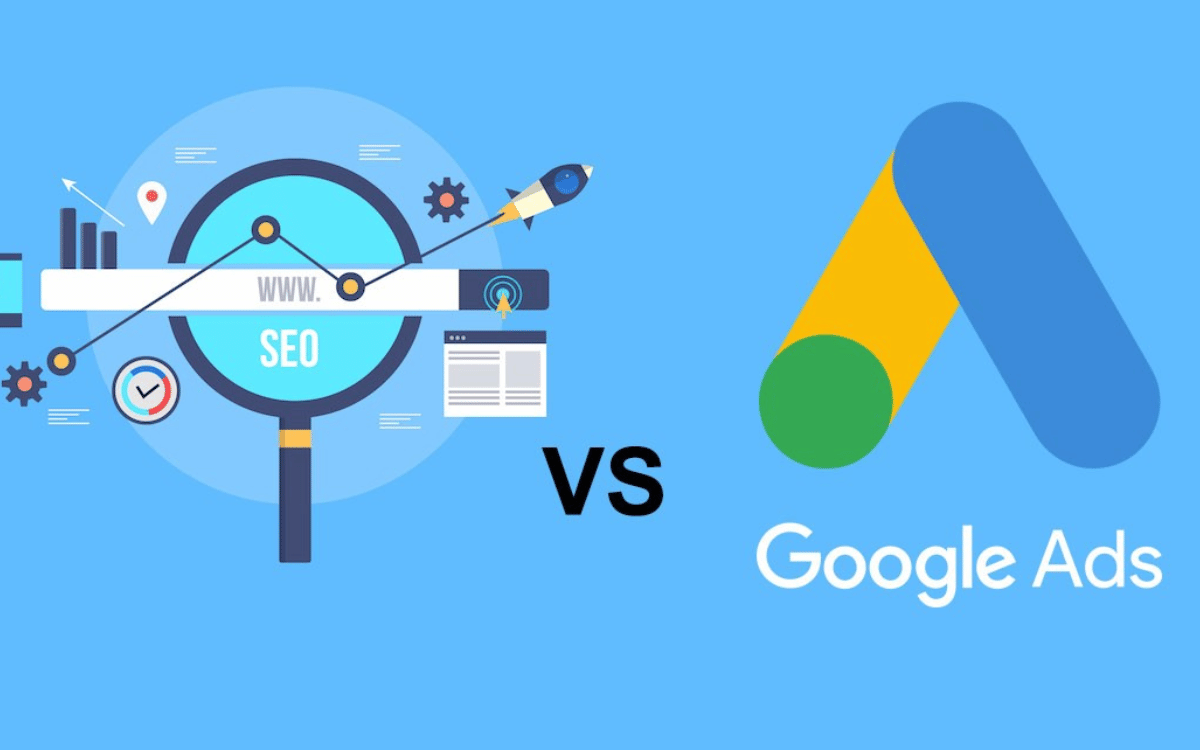
Why Paid Google Ads in Delhi Are More Effective Than SEO Services in Delhi for Fast Growth
Businesses in Delhi must make a crucial choice in the quickly changing digital landscape of 2026: should they spend their marketing budget on Google Ads or SEO services in Delhi Although both tactics have advantages, the truth is that Google Ads routinely outperform traditional SEO techniques when speed and instant results are crucial. This thorough guide explains why paid advertising accelerates growth and how Delhi-based companies can take advantage of this powerful tool. Understanding the Fundamental Difference Before diving into why Google Ads outpace SEO for rapid growth, it’s essential to understand the fundamental distinction between these two approaches. Search Engine Optimisation (SEO) is the practice of optimising your website and content to rank organically in search engine results. When you invest in SEO Services in Delhi, you’re essentially working to convince Google’s algorithm that your website deserves a top position for specific search queries. This involves technical optimisation, content creation, link building, and countless other factors that influence your search visibility. Google Ads, on the other hand, is a paid advertising platform where businesses bid on keywords to display their ads at the top of search results, on YouTube, across Google’s Display Network, and on partner websites. When you invest in Google Ads in Delhi, you’re purchasing immediate visibility and traffic. The core difference is timing. SEO is a marathon; Google Ads is a sprint with sustained results as long as you maintain your investment. The Speed Factor: Why Time Matters in Business In business, time is often more valuable than money. Every day your product or service isn’t reaching potential customers represents lost revenue and missed opportunities. This is particularly true for businesses in competitive markets like Delhi, where thousands of companies vie for the same customers. Immediate Visibility with Google Ads When you launch a Google Ads campaign in Delhi, your advertisements can appear at the top of search results within hours. There’s no waiting period, no algorithmic uncertainty, and no gradual climb up the rankings. Your business can be in front of customers searching for your products or services today, not six months from now. Consider a new restaurant opening in Connaught Place or a startup launching a SaaS product in Gurugram. These businesses need customers immediately, not eventually. Google Ads provides that instant visibility. The moment your campaign goes live and your ads are approved, you’re competing for the same screen real estate as established brands. The SEO Timeline Reality When it comes to timelines, the majority of trustworthy SEO services in Delhi will be truthful: obtaining significant organic rankings usually takes four to six months, and occasionally longer in industries with intense competition. This timeline is predicated on your technical SEO being perfect, your content strategy being spot on, and your link-building efforts being successful. Your rivals are using Google Ads to attract clients, make money, and raise brand awareness during those six months. They are collecting information about the most profitable audience segments, the ad copy that resonates, and the keywords that convert. They have a substantial advantage that grows over time thanks to this knowledge. Predictable Results and ROI One of the most compelling advantages of Google Ads in Delhi over traditional SEO services is the predictability and measurability of results. Data-Driven Decision Making Google Ads provides granular data about every aspect of your campaigns. You can see exactly how much you’re spending, how many clicks you’re generating, what percentage of those clicks convert to customers, and precisely what your return on investment is. This level of transparency allows for sophisticated decision-making and rapid optimisation. For instance, if you’re a law firm in Delhi investing in Google Ads, you can see that searches for “corporate lawyer Delhi” convert at a higher rate than “legal services Delhi,” even if the latter has higher search volume. You can then reallocate your budget accordingly within days, maximising your ROI immediately. SEO’s Attribution Challenges While SEO services in Delhi will monitor your traffic and organic rankings, it is much more difficult to link SEO efforts to particular business outcomes. A combination of branded searches – people who are already familiar with your company, informational queries – people who are researching but are not yet prepared to make a purchase, and transactional searches – people who are prepared to make a purchase – often generates organic traffic. Furthermore, hundreds of factors, many of which are beyond your direct control, affect SEO results. Industry trends can change search demand, competitor activity can push you down, and algorithm changes can abruptly lower your rankings overnight. ROI prediction is considerably more difficult as a result of this variability. Budget Control and Flexibility Financial flexibility is crucial for businesses, especially startups and SMEs in Delhi operating with limited marketing budgets. Google Ads offers unparalleled control over spending, while SEO requires sustained investment with delayed returns. Setting Your Own Pace with Google Ads With Google Ads in Delhi, you have complete control over your daily and monthly budgets. You can start with as little as a few thousand rupees per day and scale up or down based on results. If a campaign isn’t performing, you can pause it instantly and redirect funds elsewhere. If you have a seasonal business, you can increase spending during peak periods and reduce it during slow times. This flexibility is particularly valuable for businesses testing new markets or products. You can run small experiments, gather data, and make informed decisions about scaling-all within weeks rather than months. The SEO Investment Commitment Quality SEO Services in Delhi require a sustained monthly investment. Most agencies charge retainers ranging from ₹30,000 to several lakhs per month, depending on the scope and competitiveness of your industry. This investment typically needs to continue for at least six to twelve months before you see substantial results. If you decide to stop SEO services after a few months because results aren’t meeting expectations, you’ve essentially invested that money with minimal return. While your site will retain some of the improvements, the ongoing activities
How Backlinks Help Your Website Rank Higher on Google
If you’ve ever wondered why some websites regularly rank highly in Google search results while others find it difficult to be found, the answer is frequently found in one important component: backlinks. Your website’s visibility and search engine rankings can be substantially improved by understanding how backlinks function and applying strategies like using the top free classified submission sites. What Are Backlinks and Why Do They Matter? Backlinks are links to your website from other websites; they are also referred to as incoming or inbound links. In the digital age, consider them votes of confidence. Google is informed that your website provides useful information worth sharing when a reputable website links to your content. Backlinks are one of the most important ranking factors in Google’s algorithm. Because these backlinks show authority, reliability, and industry relevance, websites with high-quality backlinks typically rank higher. But not all backlinks are made equal; the caliber of the linking website is just as important as the number of links. The Connection Between Backlinks and Search Rankings Google employs complex algorithms to decide which websites should appear at the top of search results. Backlinks affect your rankings in the following ways: Authority Transfer: Some of an authoritative website’s credibility is transferred when it links to yours. This idea, sometimes referred to as “link juice,” increases the authority of your domain and raises your chances of ranking for competitive keywords. Enhanced Crawlability: By clicking on links, search engine bots discover fresh content. Google finds it easier to locate, crawl, and index your pages more frequently when your website has backlinks from multiple sources. Signals of Relevance: Google is informed that your content is pertinent to particular topics by backlinks from websites in your niche. You rank higher for related search queries thanks to this topical relevance. Building High-Quality Backlinks: Strategies That Work Choosing quality over quantity is the secret to building successful links. Here are some reliable techniques for obtaining high-quality backlinks: Produce Outstanding Content: Producing content that people want to refer to is the foundation of any backlink strategy. Links from other websites are naturally drawn to comprehensive guides, unique research, infographics, and tools. Make Use of Free Classified Submission Websites: Using the top free classified submission sites is one frequently ignored strategy for increasing backlinks. You can post advertisements with links back to your website on sites like Craigslist, Gumtree, OLX, and specialized industry classifieds. Even though these links might occasionally be no-follow, they nevertheless increase traffic and awareness of the brand. Classified sites can enhance your overall link-building efforts if you use them strategically. Guest blogging is a great way to obtain high-quality backlinks by producing insightful content for other websites in your industry. Concentrate on respectable blogs that fit your niche and offer their readers real value. Develop Relationships: Creating connections with other bloggers, influencers, and website owners can result in organic backlink opportunities. Before requesting links, interact with their content, share their work, and build sincere connections. Broken Link Building: Look for broken links on reputable websites in your industry and offer your content in their place. This tactic earns you a valuable backlink while assisting webmasters in fixing their websites. What Makes a Backlink High-Quality? Not all backlinks will increase your rankings. Google has become very smart in identifying backlinks and schemes to manipulate them. Here is what high-quality links mean: Domain Authority: Links coming from websites with a higher domain authority are considered more powerful. One backlink from a reputable publication can be considered more powerful than a hundred backlinks from unknown resources. Relevance: Links from sites within your industry or related to your own particular “niche” are considered better than random irrelevant links. Google checks the contextual content of linking sites. Editorial position: Links that are naturally integrated within the content, known as ‘editorial links,’ hold more value compared to links placed elsewhere such as ‘footers,’ ‘sidebars,’ and ‘comments Link Diversity: A natural backlink profile includes links from various sources – blogs, news sites, directories, social media, and yes, even classified submission sites when used appropriately. Do-Follow vs. No-Follow: While do-follow links pass link equity directly, no-follow links still contribute to a natural link profile and can drive valuable traffic. Common Backlink Mistakes to Avoid As you build your backlink strategy, avoid these pitfalls that could harm your rankings: Buying Links: It is against the rules of Google if you buy links. One should focus on obtaining links naturally. Low Quality Directories – Not all directories are helpful. Try not to utilise directories that are just a part of the site itself. A superior directory would be a specific directory. Over-Optimized Anchor Text: Repeating the same keywords in your title is not a good option. Include your own keywords, URLs, etc. Ignoring Link Relevance: Backlinks from unrelated websites can make your website suspicious. Consider acquiring backlinks from websites that are in topical relevance to your website. Measuring Your Backlink Success Tracking backlinks will help you understand what’s working well and what you need to improve on. Use Google Search Console, Ahrefs, or SEMrush to monitor and track various aspects, including: Building a Sustainable Backlink Strategy Success with backlinks does not happen overnight; it takes continuous effort, patience, and devotion to white hat SEO practices. Start by creating great content that earns links organically, then complement this work with strategic outreach, guest blogging, and utilising other opportunities, such as the best free classified submission sites, for extra visibility. Keep in mind that quality backlinks are earned and not bought or manipulated. Concentrate on adding value to your audience and building relationships in your niche, and you will build a backlink portfolio that improves your Google rankings while driving traffic and business. Where the digital landscape is forever changing, one fact has remained constant: backlinks are crucial to SEO success. Put in time building a diverse, high-quality backlink portfolio, and watch your website rise through the search rankings, increase its visitors, and become an authority in its own right.
Why Should Businesses Invest in SMO Packages India?
Social media has developed from a simple communication tool to a potent marketing ecosystem that has the power to make or break a business in today’s digital-first world. Investing in professional SMO Packages in India has become critical for businesses operating in the country’s fast-paced and cutthroat market. The strategic process of improving your brand’s visibility on various social media platforms in order to engage audiences, create communities, and produce measurable business results is known as social media optimization, or SMO. However, why precisely should companies spend money on SMO packages? Let’s examine the strong arguments that make SMO an essential component of any modern India marketing plan. Understanding the Social Media Landscape in India With more than 700 million active users across Facebook, Instagram, Twitter, LinkedIn, and emerging platforms, India has one of the biggest and fastest-growing social media user bases in the world. This enormous audience offers businesses an unparalleled opportunity to engage with prospective clients where they spend a large amount of time. The social media environment in India is distinct, with a wide range of languages, regional tastes, and consumption habits. Professional SMO packages in India are made to handle this complexity, assisting companies in creating culturally appropriate content that appeals to their target audiences on various platforms and countries. Cost-Effective Marketing with High ROI The excellent return on investment that SMO packages provide is one of the greatest reasons for investing in them. Social media marketing produces quantifiable results with a much smaller financial investment than traditional advertising channels like radio, print, or television. SMO Packages in India are designed to accommodate a wide range of budgets, from startups and small businesses to major corporations. Because of its scalability, businesses of all sizes can take advantage of social media’s power without running over their finances. Additionally, businesses can continuously optimize their spending and maximize returns by tracking metrics like engagement rates, reach, conversions, and customer acquisition costs. Professional SMO packages typically include content creation, posting schedules, community management, and analytics reporting, providing comprehensive services at a fraction of what traditional marketing campaigns would cost. This cost-effectiveness makes SMO an attractive proposition for businesses looking to establish their digital footprint efficiently. Building Brand Awareness and Recognition In today’s competitive market, brand visibility is essential, and social media platforms provide unmatched chances to increase awareness. Businesses can make sure their brand stays at the forefront of their target audience’s minds by posting and engaging in a consistent and strategic manner. Creating a consistent brand identity across all social media platforms is the main goal of high-quality SMO packages in India. This entails keeping messaging that is consistent with your brand values, tone of voice, and visual aesthetics. As users browse through their feeds, they will be able to quickly identify your company thanks to this consistency. Furthermore, through shares, retweets, and recommendations, compelling content can reach exponentially larger audiences thanks to social media’s viral nature. Thousands of impressions can be generated by a single well-written post, introducing your brand to prospective clients who might not have found it otherwise. Enhanced Customer Engagement and Relationship Building In today’s competitive market, brand visibility is essential, and social media platforms provide unmatched chances to increase awareness. Businesses can make sure their brand stays at the forefront of their target audience’s minds by posting and engaging in a consistent and strategic manner. Social media facilitates two-way communication between companies and their clients, in contrast to conventional one-way marketing channels. Building meaningful relationships that result in advocacy and loyalty requires this interactive aspect. Community management services that guarantee prompt responses to remarks, messages, and mentions are part of professional SMO packages in India. This responsiveness shows that your company respects client feedback and is dedicated to offering top-notch service. A sense of community is created around your brand by interacting with your audience through surveys, Q&A sessions, live videos, and user-generated content campaigns. Your company becomes more relatable and trustworthy as a result of these genuine interactions. Consumers are more likely to become repeat customers and brand ambassadors who tell their networks about your goods and services if they feel heard and appreciated. Targeted Advertising Capabilities In today’s competitive market, brand visibility is essential, and social media platforms provide unmatched chances to increase awareness. Businesses can make sure their brand stays at the forefront of their target audience’s minds by posting and engaging in a consistent and strategic manner. Businesses can reach exactly the right audience with the help of social media platforms’ advanced targeting options. There are many options, ranging from behavioral targeting based on interests, online activities, and purchasing patterns to demographic filters like age, gender, and location. Paid social media advertising that makes use of these targeting features is included in comprehensive SMO Packages in India, ensuring that your marketing budget is used to reach the people who are most likely to convert. This accuracy increases campaign efficacy and gets rid of the waste that comes with broad-spectrum advertising. Retargeting features additionally enable companies to re-engage consumers who have previously interacted with their brand, keeping your goods or services in their consideration set as they proceed through the process of buying them. Driving Website Traffic and Conversions Social media acts as an effective catalyst for driving traffic to your website, blog, or e-commerce site. Sharing great content, products, offers, and engaging posts with strategic calls-to-action helps businesses navigate social media users to their digital assets. Quality SMO packages in India are complete with link-building strategies and optimized posting schedules to maximize click-through rates. Consideration is taken for each unique algorithm within every platform to ensure content finds its way to users during their most active and receptive times. Social media create multiple touchpoints in the journey of every customer to nurture the leads from awareness through consideration to a final purchase. Business conversion rates can be greatly improved with consistent presence and the provision of value at each stage. Competitive Advantage in the Digital Space Staying ahead in

Why AI-Based SEO Tools Are Becoming More Popular Every Day 2026
Artificial intelligence is at the core of the quickly evolving landscape of digital marketing agency. AI-based SEO tools have become game-changers, transforming how businesses approach search engine optimisation as they fight for visibility in an increasingly crowded online space. Yet, what is causing this rapid rise in popularity? The 2026 SEO Challenge Optimising your site for search engines has never been more difficult. Each day, Google’s algorithms analyse billions of searches, continually enhancing its comprehension of user intent and content ranking. Traditional SEO techniques, such as manual keyword research, basic analytics, and content strategies based on guesswork, are no longer effective for companies trying to stay competitive. Why Businesses Are Turning to AI for SEO Efficiency and Speed at Scale SEO experts can now complete tasks that used to take days or weeks in a matter of hours or even minutes. More quickly than any human team, AI-powered tools can audit entire websites for technical problems, analyse thousands of keywords, and produce content optimisation recommendations. This effectiveness immediately results in lower costs and a quicker time to market for content strategies. Making Decisions Based on Data AI is excellent at analyzing large datasets to find patterns that people might overlook. In addition to identifying content gaps, predicting trending topics, and analysing competitor strategies, modern AI SEO tools can also predict which keywords are likely to gain traction in the upcoming months. This degree of understanding aids companies in making data-driven, rather than gut-based, strategic decisions. Customisation and User Intent Modern AI systems comprehend context, semantics, and user intent in addition to keywords. They can assist in producing content that is not just keyword-heavy but actually addresses what people are looking for. Better rankings and more engaged audiences result from this alignment with search engine priorities. Ongoing Optimization AI-based SEO tools offer continuous monitoring and real-time suggestions, in contrast to static reports. As search trends change, they can notify you of ranking declines, spot fresh opportunities, and recommend changes. Your SEO strategy will remain effective and relevant thanks to this ongoing optimization. The Rise of the AI SEO Agency The most effective AI SEO agencies don’t rely solely on automation – they blend AI capabilities with human creativity and strategic thinking. The AI handles the heavy lifting of data analysis and pattern recognition, while experienced strategists interpret the insights and craft campaigns that resonate with real audiences. Key AI Technologies Driving SEO Innovation For SEO, a few AI technologies are especially revolutionary: Natural Language Processing (NLP) ensures that your pages match Google’s interpretation of relevance and meaning by assisting tools in comprehending content in the same way that search engines do. By learning from enormous volumes of search data, machine learning algorithms become more adept at forecasting what will rank and why. By predicting future trends, predictive analytics enables companies to produce content on subjects before they become crowded. Automated content generation helps human writers produce SEO-optimised content at scale, but it shouldn’t take their place. The Human Element Still Matters Although AI can do a great deal, it also needs to be noted that the most successful SEO techniques do, in fact, need human supervision. While it may be able to find instances of potential and automate a series of tasks, the end result requires the use of human imagination in terms of coming up with interesting brand stories, developing meaningful brand connections in link development, and comprehending the subtleties of your target audience. Instead, it is best to have a partnership approach – in-house teams leveraging AI tools or even partnering with AI SEO agencies that understand how to merge automation and human know-how. Future Directions As the AI technology develops further, we can look forward to even more advanced SEO functionality. Right from predicting the changes that might be introduced with an upcoming algorithm update to technologies capable of adapting your overall content strategy on the fly, the future of SEO is definitely linked with AI. “For companies that are serious about having an online presence, the day has passed when they must wonder whether they should employ SEO powered by artificial intelligence, and the question now becomes how quickly they can access and integrate this technology into their toolbox.” Regardless of whether you decide to develop in-house expertise related to AI and SEO or outsource to an AI SEO agency, the one thing you can be certain about is that the arrival of artificial intelligence has been a game-changer in the industry of search engine optimization and will remain hugely popular in the years to come as more and more businesses see the amazing power it possesses.
GEO vs. SEO: How to Optimize for AI Search Engines
The search environment is evolving more quickly than before. You’re seeing the rise of Generative Engine Optimization (GEO) if you’ve seen ChatGPT, Perplexity, or Google’s AI Overviews providing direct answers to questions rather than merely listing links. Understanding this change is no longer optional for business owners looking for an SEO company nearby or wondering if their current approach is still effective. What’s Actually Changing in Search? Do you recall the days when landing on Google’s first page was the ultimate goal? We’re rewriting that playbook. Climbing those blue links was the main goal of traditional search engine optimization. These days, AI-driven search engines respond to queries in a conversational manner, frequently without requiring users to click through to any websites. This is crucial, particularly for small business owners. While many businesses are still stuck in 2019, the top best SEO agencies for small business are already changing their tactics. SEO: The Foundation That Still Matters Let’s be clear: SEO isn’t dead. It’s evolving. Traditional SEO focuses on: SEO companies for small business have perfected these fundamentals over the past two decades. They work. But they’re no longer enough on their own. Think about the last time you asked ChatGPT a question. Did you click any links, or did you just read the answer it gave you? That’s the challenge SEO faces now. Enter GEO: Optimizing for AI Answers Generative Engine Optimization is about making sure AI tools cite, reference, and recommend your content when answering questions. Instead of optimizing for search result rankings, you’re optimizing to be the source AI engines trust and quote. Here’s what makes GEO different: You are no longer in the running for positions 1 through 10. When someone in your industry asks a question, you’re vying to be the reliable source that AI consults. Will an AI chatbot mention you when someone asks it about marketing tactics, legal advice, or restaurant recommendations? Keywords are not as important as context. AI search engines are more adept than conventional algorithms at comprehending subtlety, synonyms, and intent. Instead of focusing on keyword density, they are searching for comprehensive responses, depth, and expertise. Credibility and citation become crucial. The best SEO agency nowadays is aware that being cited by AI engines necessitates the same credibility indicators used by scholars: authoritative content, cited sources, and obvious expertise. Real Differences That Impact Your Business Let me give you a practical example. Say you run a local bakery. Conventional SEO strategy: search for “bakery near me,” “custom cakes in [city],” and “wedding cake delivery.” Get Google reviews, enhance your Google Business Profile, and increase local citations. GEO methodology: Provide thorough content that addresses queries such as “What’s the difference between buttercream and fondant?” and “How far in advance should I order a wedding cake?” in a way that AI engines will quote. Both are necessary: Right now, the person looking for “bakery near me” wants local results. However, the person who asks an AI “What should I consider when choosing a wedding cake vendor?” may not even be aware that your bakery even exists. Before they even conduct a search, you are taken into consideration if the AI suggests you as an expert source. What the Best SEO Agencies Are Doing Differently Now The best SEO agencies for small business aren’t abandoning fundamentals. They’re layering GEO strategies on top: If you’re looking for an SEO company near me, ask them how they’re adapting to AI search. If they’re only talking about keywords and backlinks, they’re not thinking ahead. Practical Steps You Can Take Today You don’t need to completely overhaul your strategy tomorrow. Start here: Examine your best content. Is it really the best response on the subject? If you were writing a research paper, would you cite it? If not, make it larger. Provide full answers to questions rather than just keywords. Rather than focusing on “email marketing tips,” develop a comprehensive guide that provides practical, step-by-step guidance on “How do I build an email list from scratch?” Incorporate signals of credibility. AI is informed that your content is reliable and worthy of citation by author bios, sources, data, examples, and case studies. Make your knowledge clear. Make it obvious on your website whether you are a certified professional, have years of experience, or can provide actual results. Stay technically sound. AI crawlers still need to access, read, and understand your content. Fast sites with clean code and clear structure remain important. The Hybrid Future: Why You Need Both What business owners should know is that there is no way to decide between GEO and SEO. Both must cooperate with one another. Direct search traffic, local visibility, and quick conversions are still generated by traditional SEO. GEO positions you as the go-to authority in your industry, increases your reach into AI-assisted searches, and establishes long-term authority. The top SEO companies are already using this hybrid strategy to assist their clients. In addition to making sure AI engines can locate, comprehend, and cite their content, they are optimizing for Google’s traditional search. Finding the Right Partner Whether you’re searching for SEO companies for small business or evaluating your current agency, ask these questions: The agencies that can’t answer these questions confidently are stuck in the past. The landscape has changed. Your strategy needs to change with it. The Bottom Line The basis for online visibility was established by SEO. The next floor is being built by GEO. Instead of picking one over the other, astute companies do both. Now is the time to assess whether your current strategy is future-proof if you run a small business. As more people rely on AI to answer their questions and make decisions, companies that adapt early will have a big advantage.

The Future of Digital Marketing Strategy in 2026: Challenges & Focus Areas
Digital marketing is at the crossroads. As we find our way through the years of 2026, digital marketers find themselves experiencing the most unusual and unprecedented level of transformation because of artificial intelligence, changing legislation regarding privacy, and changing consumer behaviors. A reality where the main goal was to reach and target the audience effectively now requires real engagement, artificial intelligence, and foresight. Understanding this new reality is not only important to be ahead of the game, but to survive as well. The AI Revolution: Experimentation To Execution The future of digital marketing in the year 2026 is inherently shaped by artificial intelligence, which will mature from a research application to a primary operating system. The goal of Meta Platforms is to automatically carry out advertising through artificial intelligence by the end of 2026, where soon the brand will be able to provide the image of the product and the budget to let artificial intelligence create the advertisement, target, and optimize it. What began with creative shortcuts in the year 2025 will culminate in the deployment of fully autonomous marketing activities. Artificial intelligence applications will not only help but design, implement, and optimize overall marketing campaigns with very little human intervention. Online marketing automation will transform and evolve from being based on scheduled processes to the use of self-optimizing systems that both design, execute, and optimize marketing activities based on the real-time channel and timing optimization. However, with the automation that AI brings, there are important challenges too. More than half of the group cite “inaccurate, unreliable, or inconsistent output quality” as the most important limitation of AI-powered tools. Although AI speeds up the process of production, it has not eliminated the need to apply human judgment and strategy. “Organizations that achieve the most success in 2026 adopt a “human-in-the-loop” approach where AI runs at scale and humans decide strategy, prevent bias, and protect brand safety.” Generative Engine Optimization: The New SEO The search strategies in digital marketing are undergoing a radical change in the future. SEO models that were based upon searching a particular set of key words or phrases in search engines for a particular ad campaign are soon going to be replaced by Generative Engine Optimization. The intent would no longer be upon bidding keywords in a ad campaign, but preparing a library that would be used in a search campaign conducted by AI engines. Now, summary results are given for all search questions before users choose to visit websites, resulting in a revolution in traffic patterns. Although AI generates fewer visiting traffics, it is more conversion-oriented. Users search within Chat GPT, Perplexity, and AI Overviews and come back directly to websites for conversion. Therefore, it is crucial to feature within summary results instead of only link performance. The message is clear: it is up to the marketer to create authoritative, person-first content that helps with AI-powered conversational query questions rather than solely thinking about search engines. Rich ecosystems of content, structured data, and entity-filled topical depth become a phenomenal competitive advantage. Privacy-First Marketing: From Compliance to Competitive Advantage The digital marketing landscape is being transformed by a tidal wave of privacy laws. Currently, eight privacy laws are fully up and running at the state level within the US, with plans to enact more by 2026. Other major economies within Asia, including India, Japan, and Sri Lanka, have overall data protection. These developments mean that the EU AI Act is no longer theoretical but practical. It must be noted that these rules and regulations act as more than just hurdles – it acts as catalysts in radical changes to a firm’s strategy. The factors leading to this transition, be it regulations related to privacy, limitations by browsers, or demands by consumers, only lead to acceleration and not reversal. Third-party cookies don’t exist anymore, and tracking anyone through their online presence only deteriorates with each passing day. It leads to a bifurcated market. Successful firms possess best-in-first-party-data skills. They deliver targeting, measurement, and experiences that were unattainable before. Others relying on third-party data face deteriorating results and higher costs. First-party data will transition from a “nice-to-have” resource to the primary currency for personalization. Creating Trust through Transparency The future of digital marketing success is going to be based on clear and transparent value exchanges. The role of marketers will no longer be based on opaque tracking, and instead, they will focus on facilitating the process of value exchange, in which consumers will themselves provide them with information in exchange for personalization and other perks. Studies show that consumers are willing to pay higher to buy products from brands they trust to maintain their data privacy. The collection of zero-party data, or the type of information consumers actively share with the brand, thus becomes the new pivotal competitive tool. Instead of secretly acquiring consumer behavior, the best companies of 2026 establish attractive incentives to share preferences, intentions, and individual information. Clean rooms, in which encryption methods are used to match data records in one set of data with data in another while protecting the privacy of the customers, have seen an enormous adoption rate. All the key advertising players have developed the ability to do clean rooms, and knowing how to use them has become required knowledge for performance marketers. Agentic AI: Marketing’s New Gatekeepers Perhaps the most transformative factor in the future of digital marketing is the emerging reality of Agentic AI – assistant systems. Agentic AI systems have the potential to disrupt digital markets by providing consumers with automated systems capable of researching, comparing, and even making a transaction without having to visit a variety of websites. The Atlas browser by ChatGPT and the browser by Perplexity are examples of this paradigm shift, as they are capable of performing tasks such as searching for products, evaluating alternatives, and even finalizing purchases without the user ever leaving the AI environment. As such, it introduces a whole new level to the marketing technology stack, as it operates as