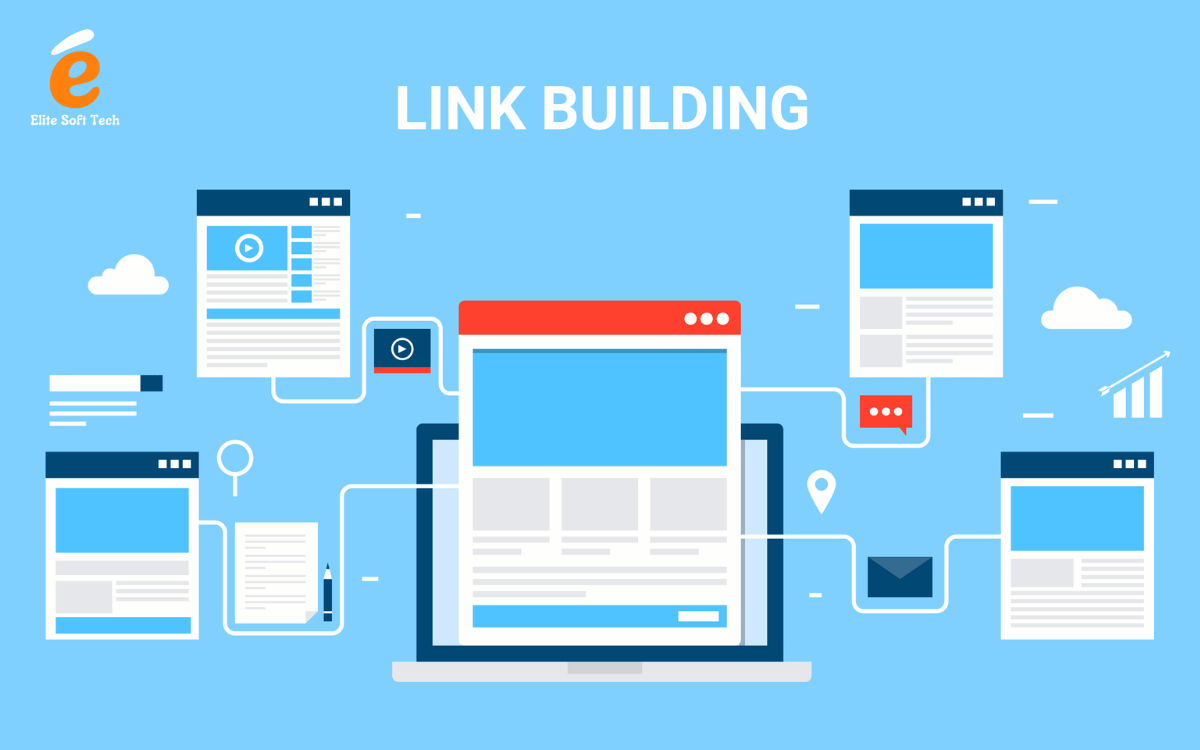
In the competitive world of digital marketing, understanding how to generate high-quality traffic to your website is the key to success. Although there are many ways to achieve this, backlinks remain one of the most effective and long-term solutions for increasing the visibility of your website and generating quality traffic. In this ultimate guide, we will delve into the connection between backlinks and website traffic to give you valuable information to help you grow your online business. Understanding Backlinks and Their Impact Backlinks, also referred to as inbound links or incoming links, are hyperlinks from one website to another. When another website links to your content, it establishes a route for visitors and search engines to reach your website. These online recommendations have several purposes in the online world and function as a vote of confidence that indicates the relevance of your content. The connection between backlinks and traffic is complex. Backlinks not only establish a route for visitors to reach your website, but they also have a significant impact on how search engines view your website. This connection is essential for anyone who wants to establish a long-term online presence. The Direct Traffic Benefits of Backlinks One of the most apparent benefits of backlinks is the direct referral traffic that you receive. When your site is mentioned or linked to on another site, visitors who click on that link are sent directly to your site. This is particularly important because the backlink is coming from a site that has a lot of engagement and is related to your niche. For example, let’s say that you have a leading blog in your industry that mentions your service or links to your content. The visitors of that blog are the perfect candidates to become your visitors, subscribers, or customers. This traffic is more likely to convert than traffic from a search engine because these visitors already have a pre-existing interest in your niche. How Backlinks Improve Search Engine Rankings Search engines such as Google employ sophisticated algorithms to rank websites on top of search engine results. Backlinks are the most crucial factor in search engine algorithms. When authoritative websites link to your content, search engines believe that your content is valuable, authoritative, and deserves to rank higher. Higher search engine rankings mean more organic traffic. Studies have shown that the top three results on Google search engine results get the most clicks, and the first result alone gets about 30% of all clicks. By developing a strong backlink profile, you can increase your chances of ranking on top and getting more organic traffic. The importance of backlinks is much higher than their numbers. One link from an authoritative and relevant website in your niche can be more valuable than dozens of links from low-quality and irrelevant websites. Search engines have become more sophisticated in analysing the context and authority of linking websites and favour websites that develop strong natural backlinks. Building Authority Through Strategic Link Building However, making your website an authority in your niche takes time and effort. Backlinks from authoritative sites help you build your website’s authority. As your website gains high-quality backlinks, it helps you build a reputation as a trustworthy source of information, which in turn helps you gain more natural backlinks. There are many ways to gain high-quality backlinks, and each of them has a different role to play in your overall strategy. Profile Creation Sites are a great way to create profiles for your business or personal use that feature links to your website. These sites help you build your presence on the web while also helping you build valuable links with your target audience. Classified Submission Sites are also a great way to post ads or announcements that feature links to your website. Although these sites are mainly used for advertising, they can also help you generate targeted traffic from people who are actively searching for products or services in your niche. Content-Driven Link Building Strategies Creating exceptional content is the foundation of any successful link-building strategy. When you produce valuable, informative, or entertaining content, other websites naturally want to reference and link to it. This organic approach to link building creates the most sustainable and valuable backlinks. Article Submission platforms represent another avenue for gaining backlinks while sharing your expertise. By submitting well-written articles to reputable directories and content platforms, you can reach new audiences while establishing backlinks that point to your primary website. The key is ensuring that your submitted content provides genuine value and isn’t simply created for the purpose of link building. Long-form content, original research, data-driven studies, and comprehensive guides tend to attract more backlinks naturally. Other content creators searching for credible sources to cite in their work will link to your content if it serves as an authoritative reference on a topic. When combined with strategic use of Profile Creation Sites, this content-driven approach creates a robust foundation for sustainable traffic growth. Local SEO and Business Listings For local businesses, Business Listing Sites are an essential part of building backlinks and boosting visibility. Sites such as Google Business Profile, Yelp, and niche business listing sites enable you to list your business with comprehensive profiles that include links to your website. Business listing sites have two major benefits: they help you build quality backlinks to boost your search engine rankings, and they enable local customers to find your business when searching for related services in their localities. Listing your business on multiple business listing sites helps you boost your local SEO and establish credibility with search engines and potential customers. The traffic generated from local business listing sites is usually of high quality, as the searchers usually have a strong intent to search for something on these sites. A person searching for your business on a local directory is likely to make a purchasing decision or contact a service provider. The Compounding Effect of Quality Backlinks One of the most powerful aspects of backlink-driven traffic growth is its
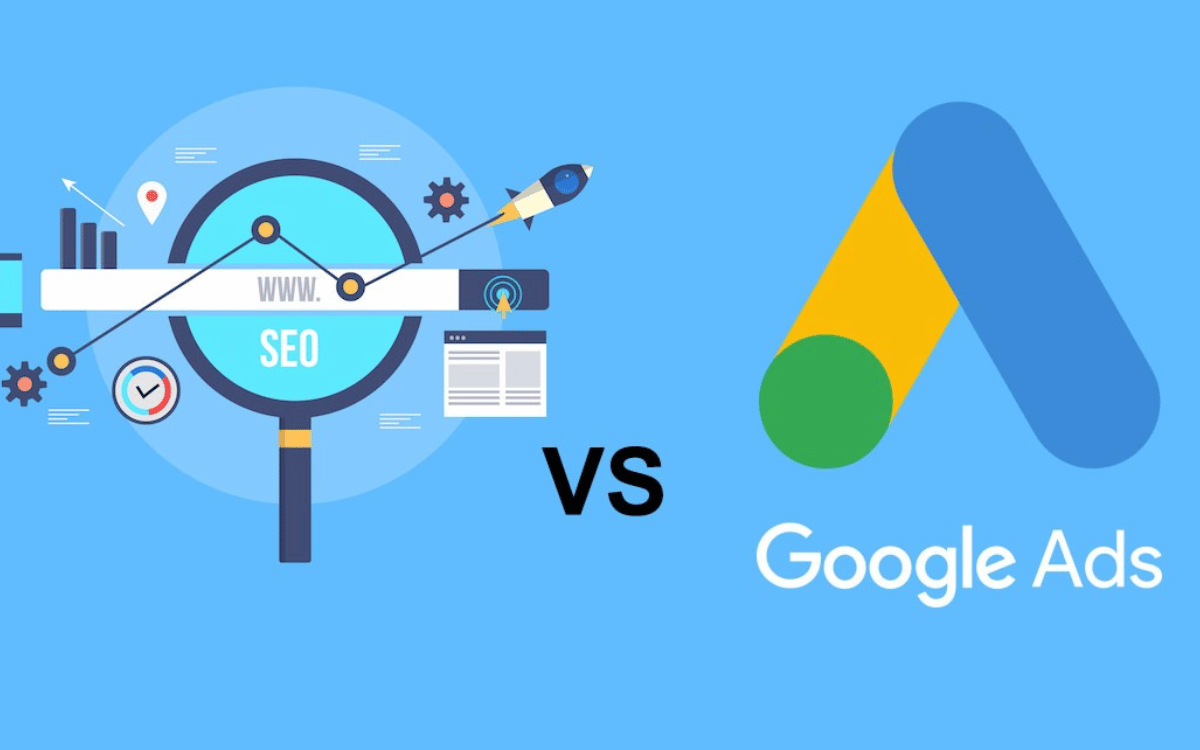
Why Paid Google Ads in Delhi Are More Effective Than SEO Services in Delhi for Fast Growth
Businesses in Delhi must make a crucial choice in the quickly changing digital landscape of 2026: should they spend their marketing budget on Google Ads or SEO services in Delhi Although both tactics have advantages, the truth is that Google Ads routinely outperform traditional SEO techniques when speed and instant results are crucial. This thorough guide explains why paid advertising accelerates growth and how Delhi-based companies can take advantage of this powerful tool. Understanding the Fundamental Difference Before diving into why Google Ads outpace SEO for rapid growth, it’s essential to understand the fundamental distinction between these two approaches. Search Engine Optimisation (SEO) is the practice of optimising your website and content to rank organically in search engine results. When you invest in SEO Services in Delhi, you’re essentially working to convince Google’s algorithm that your website deserves a top position for specific search queries. This involves technical optimisation, content creation, link building, and countless other factors that influence your search visibility. Google Ads, on the other hand, is a paid advertising platform where businesses bid on keywords to display their ads at the top of search results, on YouTube, across Google’s Display Network, and on partner websites. When you invest in Google Ads in Delhi, you’re purchasing immediate visibility and traffic. The core difference is timing. SEO is a marathon; Google Ads is a sprint with sustained results as long as you maintain your investment. The Speed Factor: Why Time Matters in Business In business, time is often more valuable than money. Every day your product or service isn’t reaching potential customers represents lost revenue and missed opportunities. This is particularly true for businesses in competitive markets like Delhi, where thousands of companies vie for the same customers. Immediate Visibility with Google Ads When you launch a Google Ads campaign in Delhi, your advertisements can appear at the top of search results within hours. There’s no waiting period, no algorithmic uncertainty, and no gradual climb up the rankings. Your business can be in front of customers searching for your products or services today, not six months from now. Consider a new restaurant opening in Connaught Place or a startup launching a SaaS product in Gurugram. These businesses need customers immediately, not eventually. Google Ads provides that instant visibility. The moment your campaign goes live and your ads are approved, you’re competing for the same screen real estate as established brands. The SEO Timeline Reality When it comes to timelines, the majority of trustworthy SEO services in Delhi will be truthful: obtaining significant organic rankings usually takes four to six months, and occasionally longer in industries with intense competition. This timeline is predicated on your technical SEO being perfect, your content strategy being spot on, and your link-building efforts being successful. Your rivals are using Google Ads to attract clients, make money, and raise brand awareness during those six months. They are collecting information about the most profitable audience segments, the ad copy that resonates, and the keywords that convert. They have a substantial advantage that grows over time thanks to this knowledge. Predictable Results and ROI One of the most compelling advantages of Google Ads in Delhi over traditional SEO services is the predictability and measurability of results. Data-Driven Decision Making Google Ads provides granular data about every aspect of your campaigns. You can see exactly how much you’re spending, how many clicks you’re generating, what percentage of those clicks convert to customers, and precisely what your return on investment is. This level of transparency allows for sophisticated decision-making and rapid optimisation. For instance, if you’re a law firm in Delhi investing in Google Ads, you can see that searches for “corporate lawyer Delhi” convert at a higher rate than “legal services Delhi,” even if the latter has higher search volume. You can then reallocate your budget accordingly within days, maximising your ROI immediately. SEO’s Attribution Challenges While SEO services in Delhi will monitor your traffic and organic rankings, it is much more difficult to link SEO efforts to particular business outcomes. A combination of branded searches – people who are already familiar with your company, informational queries – people who are researching but are not yet prepared to make a purchase, and transactional searches – people who are prepared to make a purchase – often generates organic traffic. Furthermore, hundreds of factors, many of which are beyond your direct control, affect SEO results. Industry trends can change search demand, competitor activity can push you down, and algorithm changes can abruptly lower your rankings overnight. ROI prediction is considerably more difficult as a result of this variability. Budget Control and Flexibility Financial flexibility is crucial for businesses, especially startups and SMEs in Delhi operating with limited marketing budgets. Google Ads offers unparalleled control over spending, while SEO requires sustained investment with delayed returns. Setting Your Own Pace with Google Ads With Google Ads in Delhi, you have complete control over your daily and monthly budgets. You can start with as little as a few thousand rupees per day and scale up or down based on results. If a campaign isn’t performing, you can pause it instantly and redirect funds elsewhere. If you have a seasonal business, you can increase spending during peak periods and reduce it during slow times. This flexibility is particularly valuable for businesses testing new markets or products. You can run small experiments, gather data, and make informed decisions about scaling-all within weeks rather than months. The SEO Investment Commitment Quality SEO Services in Delhi require a sustained monthly investment. Most agencies charge retainers ranging from ₹30,000 to several lakhs per month, depending on the scope and competitiveness of your industry. This investment typically needs to continue for at least six to twelve months before you see substantial results. If you decide to stop SEO services after a few months because results aren’t meeting expectations, you’ve essentially invested that money with minimal return. While your site will retain some of the improvements, the ongoing activities
GEO vs. SEO: How to Optimize for AI Search Engines
The search environment is evolving more quickly than before. You’re seeing the rise of Generative Engine Optimization (GEO) if you’ve seen ChatGPT, Perplexity, or Google’s AI Overviews providing direct answers to questions rather than merely listing links. Understanding this change is no longer optional for business owners looking for an SEO company nearby or wondering if their current approach is still effective. What’s Actually Changing in Search? Do you recall the days when landing on Google’s first page was the ultimate goal? We’re rewriting that playbook. Climbing those blue links was the main goal of traditional search engine optimization. These days, AI-driven search engines respond to queries in a conversational manner, frequently without requiring users to click through to any websites. This is crucial, particularly for small business owners. While many businesses are still stuck in 2019, the top best SEO agencies for small business are already changing their tactics. SEO: The Foundation That Still Matters Let’s be clear: SEO isn’t dead. It’s evolving. Traditional SEO focuses on: SEO companies for small business have perfected these fundamentals over the past two decades. They work. But they’re no longer enough on their own. Think about the last time you asked ChatGPT a question. Did you click any links, or did you just read the answer it gave you? That’s the challenge SEO faces now. Enter GEO: Optimizing for AI Answers Generative Engine Optimization is about making sure AI tools cite, reference, and recommend your content when answering questions. Instead of optimizing for search result rankings, you’re optimizing to be the source AI engines trust and quote. Here’s what makes GEO different: You are no longer in the running for positions 1 through 10. When someone in your industry asks a question, you’re vying to be the reliable source that AI consults. Will an AI chatbot mention you when someone asks it about marketing tactics, legal advice, or restaurant recommendations? Keywords are not as important as context. AI search engines are more adept than conventional algorithms at comprehending subtlety, synonyms, and intent. Instead of focusing on keyword density, they are searching for comprehensive responses, depth, and expertise. Credibility and citation become crucial. The best SEO agency nowadays is aware that being cited by AI engines necessitates the same credibility indicators used by scholars: authoritative content, cited sources, and obvious expertise. Real Differences That Impact Your Business Let me give you a practical example. Say you run a local bakery. Conventional SEO strategy: search for “bakery near me,” “custom cakes in [city],” and “wedding cake delivery.” Get Google reviews, enhance your Google Business Profile, and increase local citations. GEO methodology: Provide thorough content that addresses queries such as “What’s the difference between buttercream and fondant?” and “How far in advance should I order a wedding cake?” in a way that AI engines will quote. Both are necessary: Right now, the person looking for “bakery near me” wants local results. However, the person who asks an AI “What should I consider when choosing a wedding cake vendor?” may not even be aware that your bakery even exists. Before they even conduct a search, you are taken into consideration if the AI suggests you as an expert source. What the Best SEO Agencies Are Doing Differently Now The best SEO agencies for small business aren’t abandoning fundamentals. They’re layering GEO strategies on top: If you’re looking for an SEO company near me, ask them how they’re adapting to AI search. If they’re only talking about keywords and backlinks, they’re not thinking ahead. Practical Steps You Can Take Today You don’t need to completely overhaul your strategy tomorrow. Start here: Examine your best content. Is it really the best response on the subject? If you were writing a research paper, would you cite it? If not, make it larger. Provide full answers to questions rather than just keywords. Rather than focusing on “email marketing tips,” develop a comprehensive guide that provides practical, step-by-step guidance on “How do I build an email list from scratch?” Incorporate signals of credibility. AI is informed that your content is reliable and worthy of citation by author bios, sources, data, examples, and case studies. Make your knowledge clear. Make it obvious on your website whether you are a certified professional, have years of experience, or can provide actual results. Stay technically sound. AI crawlers still need to access, read, and understand your content. Fast sites with clean code and clear structure remain important. The Hybrid Future: Why You Need Both What business owners should know is that there is no way to decide between GEO and SEO. Both must cooperate with one another. Direct search traffic, local visibility, and quick conversions are still generated by traditional SEO. GEO positions you as the go-to authority in your industry, increases your reach into AI-assisted searches, and establishes long-term authority. The top SEO companies are already using this hybrid strategy to assist their clients. In addition to making sure AI engines can locate, comprehend, and cite their content, they are optimizing for Google’s traditional search. Finding the Right Partner Whether you’re searching for SEO companies for small business or evaluating your current agency, ask these questions: The agencies that can’t answer these questions confidently are stuck in the past. The landscape has changed. Your strategy needs to change with it. The Bottom Line The basis for online visibility was established by SEO. The next floor is being built by GEO. Instead of picking one over the other, astute companies do both. Now is the time to assess whether your current strategy is future-proof if you run a small business. As more people rely on AI to answer their questions and make decisions, companies that adapt early will have a big advantage.
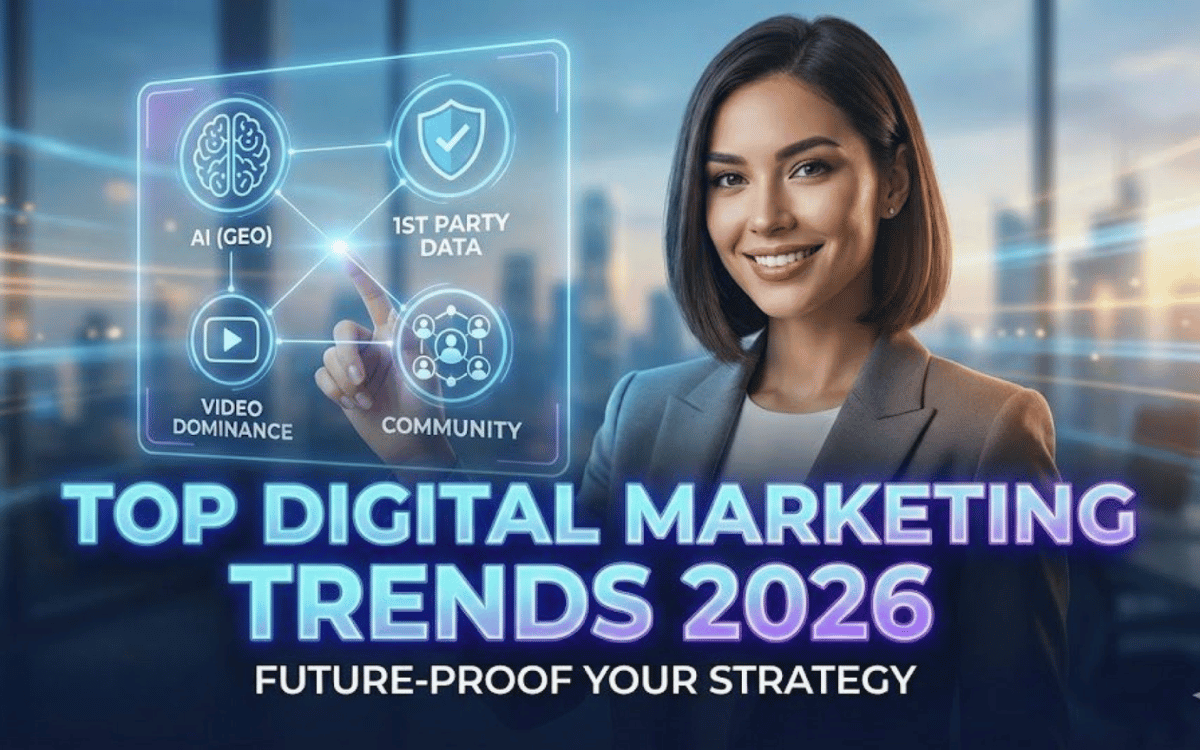
The Future of Digital Marketing Strategy in 2026: Challenges & Focus Areas
Digital marketing is at the crossroads. As we find our way through the years of 2026, digital marketers find themselves experiencing the most unusual and unprecedented level of transformation because of artificial intelligence, changing legislation regarding privacy, and changing consumer behaviors. A reality where the main goal was to reach and target the audience effectively now requires real engagement, artificial intelligence, and foresight. Understanding this new reality is not only important to be ahead of the game, but to survive as well. The AI Revolution: Experimentation To Execution The future of digital marketing in the year 2026 is inherently shaped by artificial intelligence, which will mature from a research application to a primary operating system. The goal of Meta Platforms is to automatically carry out advertising through artificial intelligence by the end of 2026, where soon the brand will be able to provide the image of the product and the budget to let artificial intelligence create the advertisement, target, and optimize it. What began with creative shortcuts in the year 2025 will culminate in the deployment of fully autonomous marketing activities. Artificial intelligence applications will not only help but design, implement, and optimize overall marketing campaigns with very little human intervention. Online marketing automation will transform and evolve from being based on scheduled processes to the use of self-optimizing systems that both design, execute, and optimize marketing activities based on the real-time channel and timing optimization. However, with the automation that AI brings, there are important challenges too. More than half of the group cite “inaccurate, unreliable, or inconsistent output quality” as the most important limitation of AI-powered tools. Although AI speeds up the process of production, it has not eliminated the need to apply human judgment and strategy. “Organizations that achieve the most success in 2026 adopt a “human-in-the-loop” approach where AI runs at scale and humans decide strategy, prevent bias, and protect brand safety.” Generative Engine Optimization: The New SEO The search strategies in digital marketing are undergoing a radical change in the future. SEO models that were based upon searching a particular set of key words or phrases in search engines for a particular ad campaign are soon going to be replaced by Generative Engine Optimization. The intent would no longer be upon bidding keywords in a ad campaign, but preparing a library that would be used in a search campaign conducted by AI engines. Now, summary results are given for all search questions before users choose to visit websites, resulting in a revolution in traffic patterns. Although AI generates fewer visiting traffics, it is more conversion-oriented. Users search within Chat GPT, Perplexity, and AI Overviews and come back directly to websites for conversion. Therefore, it is crucial to feature within summary results instead of only link performance. The message is clear: it is up to the marketer to create authoritative, person-first content that helps with AI-powered conversational query questions rather than solely thinking about search engines. Rich ecosystems of content, structured data, and entity-filled topical depth become a phenomenal competitive advantage. Privacy-First Marketing: From Compliance to Competitive Advantage The digital marketing landscape is being transformed by a tidal wave of privacy laws. Currently, eight privacy laws are fully up and running at the state level within the US, with plans to enact more by 2026. Other major economies within Asia, including India, Japan, and Sri Lanka, have overall data protection. These developments mean that the EU AI Act is no longer theoretical but practical. It must be noted that these rules and regulations act as more than just hurdles – it acts as catalysts in radical changes to a firm’s strategy. The factors leading to this transition, be it regulations related to privacy, limitations by browsers, or demands by consumers, only lead to acceleration and not reversal. Third-party cookies don’t exist anymore, and tracking anyone through their online presence only deteriorates with each passing day. It leads to a bifurcated market. Successful firms possess best-in-first-party-data skills. They deliver targeting, measurement, and experiences that were unattainable before. Others relying on third-party data face deteriorating results and higher costs. First-party data will transition from a “nice-to-have” resource to the primary currency for personalization. Creating Trust through Transparency The future of digital marketing success is going to be based on clear and transparent value exchanges. The role of marketers will no longer be based on opaque tracking, and instead, they will focus on facilitating the process of value exchange, in which consumers will themselves provide them with information in exchange for personalization and other perks. Studies show that consumers are willing to pay higher to buy products from brands they trust to maintain their data privacy. The collection of zero-party data, or the type of information consumers actively share with the brand, thus becomes the new pivotal competitive tool. Instead of secretly acquiring consumer behavior, the best companies of 2026 establish attractive incentives to share preferences, intentions, and individual information. Clean rooms, in which encryption methods are used to match data records in one set of data with data in another while protecting the privacy of the customers, have seen an enormous adoption rate. All the key advertising players have developed the ability to do clean rooms, and knowing how to use them has become required knowledge for performance marketers. Agentic AI: Marketing’s New Gatekeepers Perhaps the most transformative factor in the future of digital marketing is the emerging reality of Agentic AI – assistant systems. Agentic AI systems have the potential to disrupt digital markets by providing consumers with automated systems capable of researching, comparing, and even making a transaction without having to visit a variety of websites. The Atlas browser by ChatGPT and the browser by Perplexity are examples of this paradigm shift, as they are capable of performing tasks such as searching for products, evaluating alternatives, and even finalizing purchases without the user ever leaving the AI environment. As such, it introduces a whole new level to the marketing technology stack, as it operates as
10 Tips for Selecting the Best SEO Services for your Business
In today’s fast-moving digital business environment With the numerous digital marketing agencies out there, finding the one that fits your needs can be a daunting task. Given the importance of search engine optimization (SEO) in enhancing online presence and business expansion, it can be a challenge to find the best fit among these agencies. As a startup entrepreneur or a well-established company, these ten crucial tips will guide you in finding the best digital marketing agencies that can change the face of your online presence. 1. Assess Your Own SEO Performance One of the most important aspects of a professional digital marketing firm is its performance on its own search engine. If a Digital Marketing Agency in India says it is skilled in SEO and is lacking in its performance on its own search engine rankings for its area of expertise, then there is a major flag there. Check them out on something like “the best marketing agencies” or something more industry-oriented and see where their rankings are. The best marketing firm should lead by example and be performing optimally in its own digital footprint. 2. Examine Case Studies and Successful Outcomes The figures don’t lie. Go for specific case study examples from digital marketing agencies about the deliverables they have achieved for clients in your industry. You may demand organic traffic percentage increases, improved search rankings, conversion rates, and increased bottom lines for the clients they have worked for in the past. The best digital marketing firms will actively engage you in discussing the challenges they have overcome successfully. 3. Be aware of Their SEO Strategy Not all search engine optimization techniques rank equally. It is pertinent to inquire from prospective search engine optimization companies on how they will implement search engine optimization, both on-page optimization, search engine optimization through the use of content, search engine optimization through backlinks, and local search engine optimization. White-hat search engine optimization is practiced by reputable companies that follow search engines’ guidelines, but some companies resort to black-hat search engine optimization, which, while fruitful, is penalized heavily at the end of the day. The best marketing company will be able to describe their procedure clearly. 4. Evaluation of Industry Expertise and Specialization Although many online marketing agencies declare themselves as full-service providers of their services for all kinds of industries, the specific industry know-how of your own area of operation is invaluable to you. A particular online marketing agency may have dealt with different issues than those faced by businesses working in B2B SaaS or the health industry, such as yours. Look into their experience working with businesses like yours, understanding of your target audience, and industry-specific regulations they may know about. A Digital Marketing Agency in India can get started on your project right from Day One, having avoided typical mistakes and charted strategies tailored to the needs and responses of your target audience. 5. Verify Testimonials and Reviews of Clients/Customers Online Also, aside from the formal case studies that they feature on their website, independent reviews can also provide you with genuine insights on the said firm. You can look up reviews on Google Reviews, Clutch, and G2 among other social media sites. Eventually, good digital marketing firms must also carry with it a good reputation because they will certainly have clients that are not hesitant to endorse their company and their work. It is also an indication of professionalism on their part if they treat reviews from dissatisfied clients positively. 6. Assess Communication and Reporting Standards Transparency in communication is where professional marketing agencies differ from mediocre ones. During preliminary conversations, evaluate their levels of responsiveness, cooperation in answering your questions, and capacity to clearly explain intricate ideas and concepts in simple terms. Also, inquire about their reporting schedule and performance measures they employ. Leading online marketing agencies ensure you stay updated with detailed reports on overall performance regarding important parameters and not just focus on vanity parameters. 7. Think About Their Team Composition and Resources Every successful marketing campaign is the result of a well-organized team. Do not be afraid to ask for information on how their team is structured, including people for SEO, content writers, and their account managers. The most effective marketing agency will have experts working on your account, and not overextend themselves to manage too many clients. Do not be afraid to inquire on whom you will be working directly and how easily accessible they will be to you. 8. Understand Pricing Models and Contract Terms SEO is an investment that needs time to give you actual results. So, be wary of any agency offering suspiciously low-quality or assured top rankings within a couple of weeks. A good digital marketing agency has insider information about how best to price. They could have retainers, projects, or even performance-based pricing. So, make sure to know what’s inside in case you opt for any package for digital marketing, including keyword research and content writing to link building. 9. Evaluate Their Capabilities in Content Creation Content plays an important role in search engine optimisation. Good digital marketing agencies can choose to have in-house content teams or collaborate with adept copywriters who grasp your industry as well as search engine optimisation principles. Look at the content they have developed for other companies, analyzing not only readability, grammar, and content quality, but other factors such as search engine functionality for your website. Find the best search engine marketing agency to create content beneficial for both search engines and your audience. 10. Check Their Adaptability to Algorithm Changes Search engine algorithms keep changing every day. What worked for you yesterday could result in a negative impact on search engine rankings today. While interviewing potential digital marketing agencies during a conversation, you should ask them how they keep up with the changing events of the industry and whether they have a process in place to adjust their approach according to updates in Google’s search engine algorithms. Top marketing agencies today focus on