
Due to advances in LLM technology, the digital landscape is rapidly changing, and as such, it is imperative to understand what LLMs are and how they can help your online presence, as this type of technology can enhance any digital property. LLMs will transform websites in every way, from improving search engine rankings to generating superior content to driving organic traffic to sites. In this blog, we will discuss why LLMs are important for websites and how they can be used by you to outperform competitors. What Is a Large Language Model (LLM)? The Large Language Models can be defined as artificial intelligences that have been created using a large amount of content, such as written text or a collection of texts, trained using a deep network architecture known as transformers. The transformer network was developed by Google in 2017 and has become a strong foundation upon which to build other AI applications. Through the learning of language structures and reminiscent patterns within written language, LLMs can produce, translate, summarize and understand huge volumes of written texts with above average accuracy. Google Cloud states that these models are trained on billions of pieces of written text and are highly adaptable due to the fine-tuning capabilities available after initial training for a variety of tasks, such as writing content, translating materials into another language, analysing the overall sentiment of a document/communication or answering questions via a written format. A great example of the current generation of multimodal LLMs is Gemini, developed by Google due to its ability to process and understand written texts, images, videos, and code concurrently. For website owners, this means one thing: access to a technology that can fundamentally improve how your site communicates, ranks, and converts. LLM and SEO: A Game-Changing Relationship Search Engine Optimisation (SEO) is the cornerstone of organic website growth. LLMs are transforming SEO in several powerful ways: 1. Semantic Search Optimisation Modern search engines like Google do much more than just match your keywords; they understand what your intent is. LLMs (Large Language Models) provide semantic knowledge, which helps search engines to understand what someone is searching for or looking to accomplish. When you create content based on how LLMs perform their analysis, it causes you to write in a manner that is compatible with how the search engine measures relevance and context, as well as intent. Therefore, you will get better rankings without having to use keyword stuffing. 2. Automated Meta Descriptions and Title Tags LLM-based applications quickly create great SEO-optimised title tags as well as meta descriptions for hundreds of pages in an instant. You will not need to do this manually, which saves you time, and every one of your website’s pages will be better optimised for search engines. Previously, this was a difficult job that took a long time to do properly and inconsistently. 3. Keyword Clustering and Topic Modelling LLMs excel at analysing large volumes of keyword data and grouping them into topic clusters. This allows SEO teams to build authoritative content pillars that cover a subject comprehensively — a structure that search engines reward with higher rankings and improved domain authority over time. 4. Voice Search and Conversational Query Optimisation As voice search becomes more common, users are increasingly using everyday, casual language to make inquiries. Since large language models use human language patterns to generate their outputs, they enable you to produce content that is similar to how people talk. Having your website be similar in content to how people speak increases the chances that it will show up in voice searches and be included in featured snippets. How LLMs Supercharge Website Content Creation Web traffic is generated by the content itself-this is what keeps your audience engaged (by providing them with what they want), creates credibility for your company, and establishes you as an authority in your industry. Here’s how LLMs can help content teams to achieve the above objectives: Faster Content Production at Scale One of the most immediate benefits of LLMs is the ability to produce large volumes of high-quality content quickly. Blogs, product descriptions, landing page copy, FAQs, and social media posts can all be drafted in a fraction of the time it would take a human writer alone. This allows businesses to maintain a consistent publishing schedule, which is critical for both audience retention and SEO performance. Personalised Content Experiences LLMs make personalisation scalable. By analysing user behaviour data, an LLM-powered system can generate or recommend content that is tailored to an individual visitor’s interests, purchase history, or browsing patterns. Personalised content dramatically improves engagement metrics such as time-on-site, pages-per-session, and conversion rates. Multilingual Content Without Extra Cost Typically, expanding your site to reach foreign markets has taken significant investment in employing translation teams. Because of LLMs, however, you can get nearly human-quality translated text for dozens of languages at minimal cost. This means there are whole new markets available to you and significantly larger audiences for everyone who uses a website. Content Repurposing and Summarisation LLM can convert long-form blog posts to a summary or a social media thread or an email newsletter, or a video script automatically using AI-based technology. Thus, you will be able to derive maximum use out of each piece of content produced by your team, as you will have repurposed that single body of work into multiple formats. LLMs and Website Traffic: Driving Sustainable Growth Ultimately, the goal of every website improvement is to attract more of the right visitors. LLMs contribute to traffic growth in several direct and indirect ways: Google Cloud’s LLM Ecosystem: Enterprise-Ready AI for Websites The Google Cloud AI platform is one of the largest and most enterprise-focused providers of LLM capabilities available today. Different LLMs are available, such as Gemini, a next-generation multimodal LLM with the best-in-class reasoning and generation capabilities. Google Cloud provides a variety of LLM services, such as creating intelligent chatbots using the Vertex AI Agent Builder and deploying conversational AI using the Customer Engagement Suite,
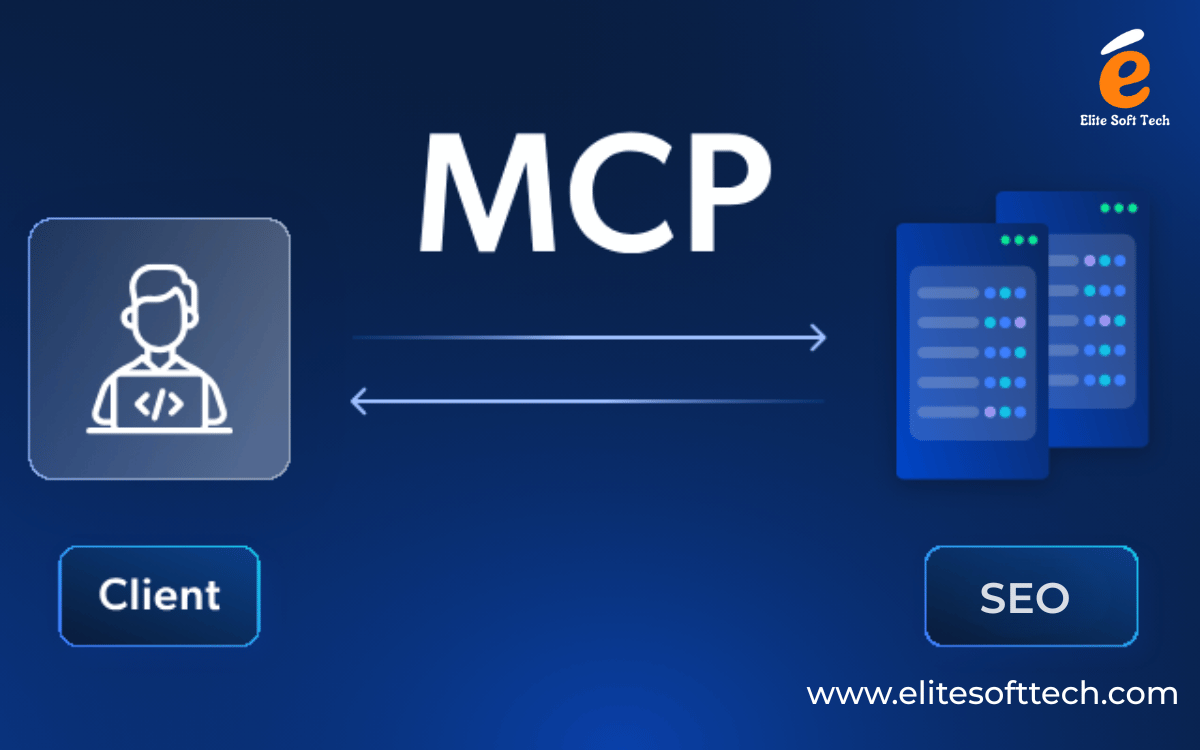
Web MCP: Key Factors That Impact Your Website SEO Ranking
Search engine optimization has never been a static discipline. Every time Google rolls out a significant update – from Panda to Penguin, from BERT to the Helpful Content System – the rules shift, and websites that adapt early gain the upper hand. In 2026, we are witnessing arguably the most transformative shift yet: the rise of Web MCP (Web Model Context Protocol) and its growing intersection with how Google evaluates and ranks websites. What Is Web MCP and Why Does It Matter for SEO? Web MCP – short for Web Model Context Protocol – is a proposed web standard introduced by engineers at Google and Microsoft under the W3C Web Machine Learning Community Group. At its core, Web MCP aims to provide a standard way for exposing structured tools, ensuring AI agents can perform actions on your site with increased speed, reliability, and precision. Chrome Developers Instead of an AI agent guessing how to use your website by analyzing screenshots, Web MCP lets the website tell the agent exactly what tools are available and how to invoke them. Instead of relying on a slow and fragile approach of capturing screenshots and guessing what to click on, Web MCP replaces this guessing game with structured data – effectively converting a website into a set of capabilities. Currently available as an early preview in Chrome 146, Web MCP proposes two complementary APIs: These two APIs serve as a bridge between websites and AI agents. The Declarative API handles standard actions that can be defined directly in existing HTML forms, while the Imperative API handles more complex, dynamic interactions that require JavaScript execution – where developers define richer tool schemas running entirely client-side in the browser You can explore Google’s official documentation and join the Early Preview Program at developer.chrome.com/blog/webmcp-epp. Google has also launched the Google Analytics MCP server, which lets you connect your Analytics data directly to an LLM – enabling AI-powered data analysis, custom agents, and smarter reporting: developers.google.com/analytics/devguides/MCP. The Google Update Connection: Why “Agent-Ready” Sites Will Win Google has been incorporating AI into its search engine for years with RankBrain, BERT, MUM, and now AI Overviews (SGE). Each iteration has brought the divide between machine understanding and human intent closer. Web MCP does this at a much accelerated pace.The technology change involved here is considerable. Going from a vision-based model to a Web MCP-based model promises to bring lower latency (no waiting for screenshots to be processed), higher accuracy with structured JSON data, and lower costs as text-based schemas are much cheaper to process than sending high-definition images to an LLM. Rather than acting as a direct ranking factor today, Web MCP is best understood as the next frontier of technical SEO. AI-agent traffic could become as important as traditional search traffic, and early adopters will benefit most. SEO Specialist India Websites that invest now in the foundations Web MCP requires – clean forms, stable UX, semantic HTML – are building the same infrastructure that Google’s core ranking algorithm already rewards. Key SEO Ranking Factors That Align With Web MCP Readiness 1. Technical SEO and Crawlability Technical SEO is the silent ranking factor. When it is correct, nobody notices. When it is wrong, everything suffers. Page experience, crawlability, and clean indexing will continue to be crucial in 2026 because Google’s systems will not reward pages that it cannot access, parse, or trust. ClickRank With regards to Web MCP, semantic HTML is crucial because it is understandable not only by crawlers but also by AI agents. URL structures and Java Scripts should not restrict access to primary functionality. When your dynamic interactions are not correctly exposed via the Imperative API, AI agents will not understand them, and therefore discoverability of AI agents and technical SEO will be impacted. 2. Core Web Vitals: LCP, INP, and CLS Google updated Core Web Vitals in 2026, making Interaction to Next Paint (INP) and scroll performance metrics critical for ranking. These metrics are measured using real Chrome user data, not just lab tests. Core Web Vitals don’t replace content or authority, but they shape how users feel when they land — and that directly affects satisfaction signals. A clean, fast, stable page is both a better human experience and a better agent experience. Optimizing for Core Web Vitals is one of the most impactful dual-purpose investments you can make. 3. Clean Form Structure and Stable UX Flows Clean structure and labels, predictable input, and stable redirects are no longer “nice to have.” Multi-step popups, inconsistent state, and heavy JS changes not only hinder humans, they also break agent workflows. Techpullers The Declarative API at Web MCP is literally built on top of existing HTML forms. If you already have good structure in your forms, you may already be most of the way there with minimal additional work. 4. Content Quality and Search Intent Alignment Ranking is no longer driven by keyword manipulation and volume of content published. Rather, it is driven by whether or not a page clearly and consistently provides information that satisfies user intent. Quad cubesIn 2026, Google will evaluate intent satisfaction depth: did we answer the user’s question on that page? Does it satisfy them on that page? Generic and redundant information does not pass this satisfaction test and will fail regardless of technical and on-page optimization efforts. QuadcubesWell-structured and clear content makes it easier for AI agents to find the right tool and information to surface on behalf of users for Web MCP. 5. E-E-A-T: Experience, Expertise, Authoritativeness, Trustworthiness Google’s algorithms use AI to verify author and entity information. Sites with anonymous content, vague statements, and unverified expertise have difficulty surfacing in SGE and competitive search engine results. Quad cubesIn Web MCP, E-E-A-T is a trust indicator for Google’s algorithms and for AI agents determining which sites to query on behalf of users. Verifying authority through bios, credentials, citations, and brand presence is a long-term play with compounding interest. 6. Structured Data and Schema Markup Schema markup helps Google understand
How to Create Sitemap.xml for Faster Indexing & Better Rankings
In the realm of search engine optimization, the sitemap.xml file is essentially a roadmap that directs the search engines to your website’s content. This is a vital tool that assists the search engines in navigating your website’s pages and ultimately results in improved search engine visibility. Regardless of whether you are handling a small blog or an e-commerce website, it is essential that you have a proper XML sitemap in place for your search engine optimization success. This is a detailed guide that will help you understand everything there is to know about your sitemap.xml file. What is a Sitemap.xml File? An XML sitemap is essentially a file that contains all the key pages on your website in an organized manner that is easily accessible by search engines. It is a great source of metadata for each URL, such as when it was last updated, how frequently it is updated, and its relative importance within the context of other pages on your website. It is like a table of contents that helps search engine crawlers index your website more efficiently. Although search engines are capable of crawling pages via internal links, a sitemap ensures that no important content is missed, especially in the case of new websites that have few links pointing to them. Method 1: How to Create a Sitemap.xml Manually Creating a sitemap manually gives you complete control over its structure and content. While this method requires more technical knowledge, it’s ideal for small websites or when you need precise customization. Step 1: Create the XML File Structure Open a text editor and create a new file named ‘sitemap.xml’. Start with the XML declaration and the urlset element: <?xml version=”1.0″ encoding=”UTF-8″?> <urlset xmlns=”http://www.sitemaps.org/schemas/sitemap/0.9″> Step 2: Add URL Entries For each page you want to include, add a URL entry with the following structure: <url> <loc>https://www.yourwebsite.com/page-url/</loc> <lastmod>2025-02-19</lastmod> <changefreq>weekly</changefreq> <priority>0.8</priority> </url> Understanding the Elements: Step 3: Close the XML Structure After adding all your URLs, close the urlset tag:</urlset> Step 4: Upload to Your Website Root Upload the sitemap.xml file to your website’s root directory using FTP or your hosting control panel. The file should be accessible at https://yourwebsite.com/sitemap.xml Method 2: How to Create a Sitemap Through Plugins For most website owners, especially those using content management systems like WordPress, plugins offer the easiest and most efficient way to create and maintain sitemaps. These tools automatically generate and update your sitemap as you add or modify content. For WordPress Users: Using Yoast SEO Plugin Yoast SEO automatically updates your sitemap whenever you publish, update, or delete content, ensuring search engines always have the latest information about your site. Using Rank Math Plugin For Other CMS Platforms: How to Check Your Sitemap: Google Search Console & Manual Methods After creating your sitemap, it’s crucial to verify it’s working correctly and submit it to search engines for optimal indexing. Checking Through Google Search Console Google Search Console is the official tool for monitoring how Google interacts with your website, including sitemap submission and status. Manual Checking Methods 1. Direct Browser Access Simply type your sitemap URL (https://yourwebsite.com/sitemap.xml) into a web browser. You should see a formatted XML file listing all your URLs. If you see a 404 error, your sitemap isn’t properly uploaded or accessible. 2. Online XML Sitemap Validators Use free online tools like XML Sitemap Validator or SEO Site Checkup to verify your sitemap’s syntax and structure. These tools identify issues such as: 3. Check Your Robots.txt File Visit yourwebsite.com/robots.txt to ensure it includes a reference to your sitemap:Sitemap: https://yourwebsite.com/sitemap.xmlThis helps search engines discover your sitemap automatically. 4. Test Individual URLs Manually visit a few URLs from your sitemap to ensure they’re accessible and return a 200 status code (not 404, 301, or 302). How a Sitemap.xml Impacts Your Website Understanding the impact of a properly configured sitemap on your website is essential for appreciating its importance in your overall SEO strategy. 1. Faster Indexing of New Content When you add new pages or blog posts, a sitemap notifies search engines right away. Rather than waiting for search engines to crawl your content via links, they can do so in a matter of hours or even minutes. This is especially helpful for time-sensitive content such as news articles or product announcements. 2. Improved Crawl Efficiency Each website is allocated a ‘crawl budget’ by search engines – the number of pages they will crawl in a certain period of time. A sitemap can help crawlers crawl your website more efficiently, making sure that the most important pages are crawled first. This is particularly important for large websites with thousands of pages, where crawl budget optimization can make a big difference. 3. Better Coverage for Deep Pages Pages deep within your site’s structure, which may take several clicks from the home page, could potentially be missed by search engine crawlers. A sitemap helps to ensure that these pages are not missed and are indexed. 4. Enhanced SEO Performance Although having a sitemap by itself does not ensure that your pages will rank higher, it does ensure that all your pages have a chance to rank. The more pages that are indexed, the more opportunities you have of showing up in search engine results for a given search. 5. Easier Website Management Sitemaps are a rich source of information regarding your website’s structure. While analyzing your sitemap through Google Search Console, you can spot problems in the indexing of your website, find out which pages are orphaned, and know how search engines view the structure of your website. 6. Competitive Advantage Most websites, especially smaller ones, lack proper sitemaps. By implementing and maintaining an optimized sitemap, you have an edge in search engine visibility. Your content will be discovered faster, indexed more thoroughly, and has a better chance of ranking higher than your competitors who fail to optimize this basic SEO requirement Sitemap Best Practices for Maximum Impact To maximize your sitemap’s effectiveness, follow these proven best practices: Conclusion The process of
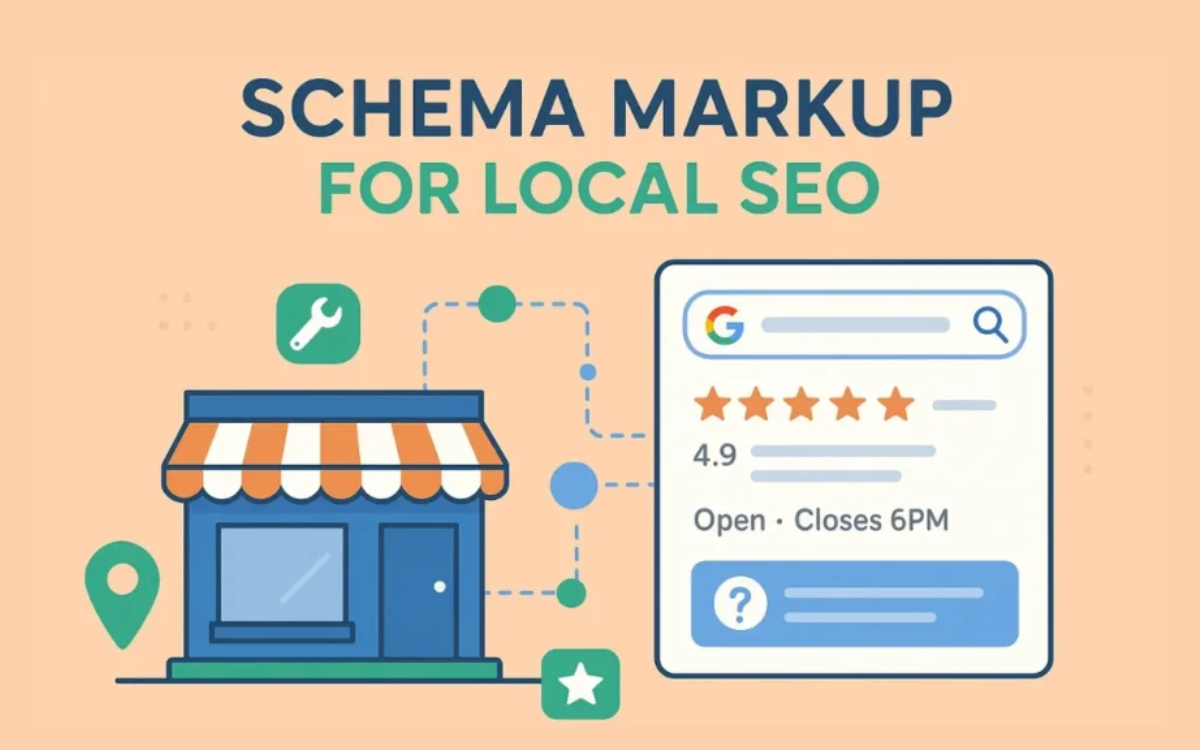
How to Add and Verify Local Schema Markup to Improve Local SEO Visibility
You’re missing out on an effective instrument that might significantly boost your online visibility if you’re a local business owner having trouble standing out in search results. One of the most underutilized but successful methods for improving your local SEO performance is local schema markup. Learn exactly what local schema markup is, why it matters, and how to use it on your website to dominate local search results in this thorough guide. What Is Local Schema Markup? You can improve search engines’ comprehension of your company information by adding local schema markup, a type of structured data, to the code of your website. Consider it a layer of translation between search engines like Google and your website. Although your company name, address, phone number, and operating hours are easily identifiable to humans from your website, search engines require explicit signals in order to reliably extract and display this information. A standardized vocabulary from Schema.org, a partnership between Google, Microsoft, Yahoo, and Yandex, is used in schema markup. By using local schema markup, you are effectively giving search engines a well-structured dataset about your company that they can use in the creation of knowledge panels, rich snippets, and improved local search results. Why Local Schema Markup Matters for Your Business It is impossible to exaggerate how important local schema markup is to your local SEO visibility. You should prioritize it in your digital marketing strategy for these reasons Improved Search Visibility: Your company is eligible for rich search engine results when local schema markup is properly implemented. By doing this, you can differentiate your company from rivals by having your listing show up in search results with extra details like star ratings, business hours, price range, and images. Higher Click-Through Rates: Schema markup makes rich snippets that show up more aesthetically pleasing and educational. Improved search results have been shown to increase click-through rates by 20–30%, resulting in more targeted visitors to your website. Improved Voice Search Performance: Local schema markup grows more and more crucial as voice search keeps expanding. For voice assistants to accurately respond to local queries like “best Italian restaurant in downtown” or “plumber near me,” structured data is essential. Enhanced Credibility and Trust: Search engines are more inclined to feature your company prominently when they can validate its information using schema markup. Among these are tools like the Google Knowledge Panel, which significantly improves credibility and trust with prospective clients. Competitive advantage: Local schema markup continues to be underutilized by local businesses, despite its advantages. You can quickly outperform rivals who are lacking this crucial element by including it to your website. Essential Types of Local Schema Markup Before diving into implementation, it’s important to understand the different types of local schema markup that are most beneficial for local businesses: LocalBusiness Schema: This is the foundational schema type for any local business. It includes basic information like your business name, address, phone number, website URL, and business hours. There are also specialized subtypes like Restaurant, Attorney, Dentist, and AutoRepair that provide additional relevant fields. Organization Schema: This broader schema type helps establish your business entity and can include information about your logo, social media profiles, and corporate structure. Review Schema: This markup allows you to display star ratings and review counts directly in search results, which is incredibly powerful for building trust and attracting clicks. Opening Hours Schema: Explicitly marking up your business hours ensures that potential customers see accurate information about when you’re open, reducing frustration and improving the customer experience. GeoCoordinates Schema: Adding precise geographic coordinates helps search engines understand exactly where your business is located, improving your visibility in local map results. Step-by-Step Guide to Adding Local Schema Markup Now let’s walk through the process of implementing local schema markup on your website. Don’t worry if you’re not particularly technical – there are multiple methods to choose from based on your comfort level. Method 1: Using JSON-LD (Recommended) JSON-LD (JavaScript Object Notation for Linked Data) is Google’s recommended format for schema markup because it’s easy to implement and maintain. Here’s a basic example for a local restaurant: To implement this, simply paste the code into the <head> or <body> section of your website’s HTML. You’ll need to replace the example information with your actual business details. Method 2: Using WordPress Plugins If your website runs on WordPress, several excellent plugins can help you add local schema markup without touching code: These plugins typically provide form fields where you enter your business information, and they automatically generate the proper schema markup for you. Method 3: Using Google Tag Manager For those who prefer a centralized approach to managing website tags, Google Tag Manager offers a clean way to implement schema markup without modifying your website’s core code. You can create a custom HTML tag containing your JSON-LD schema and deploy it across your site with trigger rules. How to Verify Your Local Schema Markup Adding schema markup is only half the battle – you must verify that it’s working correctly. Here’s how to ensure your implementation is error-free: Google’s Rich Results Test Visit Google’s Rich Results Test tool and enter your website URL. This tool will scan your page and show you which schema types it detects and whether there are any errors or warnings. Pay close attention to any critical errors, as these can prevent your markup from working properly. Schema Markup Validator The official Schema.org validator provides detailed analysis of your markup. It checks for syntax errors and validates that your schema follows the correct structure. This is particularly useful for catching typos or formatting issues in your JSON-LD code. Google Search Console After implementing your schema markup, monitor the “Enhancements” section in Google Search Console. This area shows how Google is interpreting your structured data and alerts you to any issues it encounters while crawling your site. You’ll see reports for different schema types like Local Business, Product, and Review markup. Manual Testing Don’t forget to do real-world testing. Search

How Backlinks Help Your Website Rank Higher on Google
If you’ve ever wondered why some websites regularly rank highly in Google search results while others find it difficult to be found, the answer is frequently found in one important component: backlinks. Your website’s visibility and search engine rankings can be substantially improved by understanding how backlinks function and applying strategies like using the top free classified submission sites. What Are Backlinks and Why Do They Matter? Backlinks are links to your website from other websites; they are also referred to as incoming or inbound links. In the digital age, consider them votes of confidence. Google is informed that your website provides useful information worth sharing when a reputable website links to your content. Backlinks are one of the most important ranking factors in Google’s algorithm. Because these backlinks show authority, reliability, and industry relevance, websites with high-quality backlinks typically rank higher. But not all backlinks are made equal; the caliber of the linking website is just as important as the number of links. The Connection Between Backlinks and Search Rankings Google employs complex algorithms to decide which websites should appear at the top of search results. Backlinks affect your rankings in the following ways: Authority Transfer: Some of an authoritative website’s credibility is transferred when it links to yours. This idea, sometimes referred to as “link juice,” increases the authority of your domain and raises your chances of ranking for competitive keywords. Enhanced Crawlability: By clicking on links, search engine bots discover fresh content. Google finds it easier to locate, crawl, and index your pages more frequently when your website has backlinks from multiple sources. Signals of Relevance: Google is informed that your content is pertinent to particular topics by backlinks from websites in your niche. You rank higher for related search queries thanks to this topical relevance. Building High-Quality Backlinks: Strategies That Work Choosing quality over quantity is the secret to building successful links. Here are some reliable techniques for obtaining high-quality backlinks: Produce Outstanding Content: Producing content that people want to refer to is the foundation of any backlink strategy. Links from other websites are naturally drawn to comprehensive guides, unique research, infographics, and tools. Make Use of Free Classified Submission Websites: Using the top free classified submission sites is one frequently ignored strategy for increasing backlinks. You can post advertisements with links back to your website on sites like Craigslist, Gumtree, OLX, and specialized industry classifieds. Even though these links might occasionally be no-follow, they nevertheless increase traffic and awareness of the brand. Classified sites can enhance your overall link-building efforts if you use them strategically. Guest blogging is a great way to obtain high-quality backlinks by producing insightful content for other websites in your industry. Concentrate on respectable blogs that fit your niche and offer their readers real value. Develop Relationships: Creating connections with other bloggers, influencers, and website owners can result in organic backlink opportunities. Before requesting links, interact with their content, share their work, and build sincere connections. Broken Link Building: Look for broken links on reputable websites in your industry and offer your content in their place. This tactic earns you a valuable backlink while assisting webmasters in fixing their websites. What Makes a Backlink High-Quality? Not all backlinks will increase your rankings. Google has become very smart in identifying backlinks and schemes to manipulate them. Here is what high-quality links mean: Domain Authority: Links coming from websites with a higher domain authority are considered more powerful. One backlink from a reputable publication can be considered more powerful than a hundred backlinks from unknown resources. Relevance: Links from sites within your industry or related to your own particular “niche” are considered better than random irrelevant links. Google checks the contextual content of linking sites. Editorial position: Links that are naturally integrated within the content, known as ‘editorial links,’ hold more value compared to links placed elsewhere such as ‘footers,’ ‘sidebars,’ and ‘comments Link Diversity: A natural backlink profile includes links from various sources – blogs, news sites, directories, social media, and yes, even classified submission sites when used appropriately. Do-Follow vs. No-Follow: While do-follow links pass link equity directly, no-follow links still contribute to a natural link profile and can drive valuable traffic. Common Backlink Mistakes to Avoid As you build your backlink strategy, avoid these pitfalls that could harm your rankings: Buying Links: It is against the rules of Google if you buy links. One should focus on obtaining links naturally. Low Quality Directories – Not all directories are helpful. Try not to utilise directories that are just a part of the site itself. A superior directory would be a specific directory. Over-Optimized Anchor Text: Repeating the same keywords in your title is not a good option. Include your own keywords, URLs, etc. Ignoring Link Relevance: Backlinks from unrelated websites can make your website suspicious. Consider acquiring backlinks from websites that are in topical relevance to your website. Measuring Your Backlink Success Tracking backlinks will help you understand what’s working well and what you need to improve on. Use Google Search Console, Ahrefs, or SEMrush to monitor and track various aspects, including: Building a Sustainable Backlink Strategy Success with backlinks does not happen overnight; it takes continuous effort, patience, and devotion to white hat SEO practices. Start by creating great content that earns links organically, then complement this work with strategic outreach, guest blogging, and utilising other opportunities, such as the best free classified submission sites, for extra visibility. Keep in mind that quality backlinks are earned and not bought or manipulated. Concentrate on adding value to your audience and building relationships in your niche, and you will build a backlink portfolio that improves your Google rankings while driving traffic and business. Where the digital landscape is forever changing, one fact has remained constant: backlinks are crucial to SEO success. Put in time building a diverse, high-quality backlink portfolio, and watch your website rise through the search rankings, increase its visitors, and become an authority in its own right.
Why Should Businesses Invest in SMO Packages in India?
Social media has developed from a simple communication tool to a potent marketing ecosystem that has the power to make or break a business in today’s digital-first world. Investing in professional SMO Packages in India has become critical for businesses operating in the country’s fast-paced and cutthroat market. The strategic process of improving your brand’s visibility on various social media platforms in order to engage audiences, create communities, and produce measurable business results is known as social media optimization, or SMO. However, why precisely should companies spend money on SMO packages? Let’s examine the strong arguments that make SMO an essential component of any modern Indian marketing plan. Understanding the Social Media Landscape in India With more than 700 million active users across Facebook, Instagram, Twitter, LinkedIn, and emerging platforms, India has one of the biggest and fastest-growing social media user bases in the world. This enormous audience offers businesses an unparalleled opportunity to engage with prospective clients where they spend a large amount of time. The social media environment in India is distinct, with a wide range of languages, regional tastes, and consumption habits. Professional SMO packages in India are made to handle this complexity, assisting companies in creating culturally appropriate content that appeals to their target audiences on various platforms and countries. Cost-Effective Marketing with High ROI The excellent return on investment that SMO packages provide is one of the greatest reasons for investing in them. Social media marketing produces quantifiable results with a much smaller financial investment than traditional advertising channels like radio, print, or television. SMO Packages in India are designed to accommodate a wide range of budgets, from startups and small businesses to major corporations. Because of its scalability, businesses of all sizes can take advantage of social media’s power without running over their finances. Additionally, businesses can continuously optimize their spending and maximize returns by tracking metrics like engagement rates, reach, conversions, and customer acquisition costs. Professional SMO packages typically include content creation, posting schedules, community management, and analytics reporting, providing comprehensive services at a fraction of what traditional marketing campaigns would cost. This cost-effectiveness makes SMO an attractive proposition for businesses looking to establish their digital footprint efficiently. Building Brand Awareness and Recognition In today’s competitive market, brand visibility is essential, and social media platforms provide unmatched chances to increase awareness. Businesses can make sure their brand stays at the forefront of their target audience’s minds by posting and engaging in a consistent and strategic manner. Creating a consistent brand identity across all social media platforms is the main goal of high-quality SMO packages in India. This entails keeping messaging that is consistent with your brand values, tone of voice, and visual aesthetics. As users browse through their feeds, they will be able to quickly identify your company thanks to this consistency. Furthermore, through shares, retweets, and recommendations, compelling content can reach exponentially larger audiences thanks to social media’s viral nature. Thousands of impressions can be generated by a single well-written post, introducing your brand to prospective clients who might not have found it otherwise. Enhanced Customer Engagement and Relationship Building In today’s competitive market, brand visibility is essential, and social media platforms provide unmatched chances to increase awareness. Businesses can make sure their brand stays at the forefront of their target audience’s minds by posting and engaging in a consistent and strategic manner. Social media facilitates two-way communication between companies and their clients, in contrast to conventional one-way marketing channels. Building meaningful relationships that result in advocacy and loyalty requires this interactive aspect. Community management services that guarantee prompt responses to remarks, messages, and mentions are part of professional SMO packages in India. This responsiveness shows that your company respects client feedback and is dedicated to offering top-notch service. A sense of community is created around your brand by interacting with your audience through surveys, Q&A sessions, live videos, and user-generated content campaigns. Your company becomes more relatable and trustworthy as a result of these genuine interactions. Consumers are more likely to become repeat customers and brand ambassadors who tell their networks about your goods and services if they feel heard and appreciated. Targeted Advertising Capabilities In today’s competitive market, brand visibility is essential, and social media platforms provide unmatched chances to increase awareness. Businesses can make sure their brand stays at the forefront of their target audience’s minds by posting and engaging in a consistent and strategic manner. Businesses can reach exactly the right audience with the help of social media platforms’ advanced targeting options. There are many options, ranging from behavioral targeting based on interests, online activities, and purchasing patterns to demographic filters like age, gender, and location. Paid social media advertising that makes use of these targeting features is included in comprehensive SMO Packages in India, ensuring that your marketing budget is used to reach the people who are most likely to convert. This accuracy increases campaign efficacy and gets rid of the waste that comes with broad-spectrum advertising. Retargeting features additionally enable companies to re-engage consumers who have previously interacted with their brand, keeping your goods or services in their consideration set as they proceed through the process of buying them. Driving Website Traffic and Conversions Social media acts as an effective catalyst for driving traffic to your website, blog, or e-commerce site. Sharing great content, products, offers, and engaging posts with strategic calls-to-action helps businesses navigate social media users to their digital assets. Quality SMO packages in India are complete with link-building strategies and optimized posting schedules to maximize click-through rates. Consideration is taken for each unique algorithm within every platform to ensure content finds its way to users during their most active and receptive times. Social media create multiple touchpoints in the journey of every customer to nurture the leads from awareness through consideration to a final purchase. Business conversion rates can be greatly improved with consistent presence and the provision of value at each stage. Competitive Advantage in the Digital Space Staying ahead in

Why AI-Based SEO Tools Are Becoming More Popular Every Day 2026
Artificial intelligence is at the core of the quickly evolving landscape of digital marketing agency. AI-based SEO tools have become game-changers, transforming how businesses approach search engine optimisation as they fight for visibility in an increasingly crowded online space. Yet, what is causing this rapid rise in popularity? The 2026 SEO Challenge Optimising your site for search engines has never been more difficult. Each day, Google’s algorithms analyse billions of searches, continually enhancing its comprehension of user intent and content ranking. Traditional SEO techniques, such as manual keyword research, basic analytics, and content strategies based on guesswork, are no longer effective for companies trying to stay competitive. Why Businesses Are Turning to AI for SEO Efficiency and Speed at Scale SEO experts can now complete tasks that used to take days or weeks in a matter of hours or even minutes. More quickly than any human team, AI-powered tools can audit entire websites for technical problems, analyse thousands of keywords, and produce content optimisation recommendations. This effectiveness immediately results in lower costs and a quicker time to market for content strategies. Making Decisions Based on Data AI is excellent at analyzing large datasets to find patterns that people might overlook. In addition to identifying content gaps, predicting trending topics, and analysing competitor strategies, modern AI SEO tools can also predict which keywords are likely to gain traction in the upcoming months. This degree of understanding aids companies in making data-driven, rather than gut-based, strategic decisions. Customisation and User Intent Modern AI systems comprehend context, semantics, and user intent in addition to keywords. They can assist in producing content that is not just keyword-heavy but actually addresses what people are looking for. Better rankings and more engaged audiences result from this alignment with search engine priorities. Ongoing Optimization AI-based SEO tools offer continuous monitoring and real-time suggestions, in contrast to static reports. As search trends change, they can notify you of ranking declines, spot fresh opportunities, and recommend changes. Your SEO strategy will remain effective and relevant thanks to this ongoing optimization. The Rise of the AI SEO Agency The most effective AI SEO agencies don’t rely solely on automation – they blend AI capabilities with human creativity and strategic thinking. The AI handles the heavy lifting of data analysis and pattern recognition, while experienced strategists interpret the insights and craft campaigns that resonate with real audiences. Key AI Technologies Driving SEO Innovation For SEO, a few AI technologies are especially revolutionary: Natural Language Processing (NLP) ensures that your pages match Google’s interpretation of relevance and meaning by assisting tools in comprehending content in the same way that search engines do. By learning from enormous volumes of search data, machine learning algorithms become more adept at forecasting what will rank and why. By predicting future trends, predictive analytics enables companies to produce content on subjects before they become crowded. Automated content generation helps human writers produce SEO-optimised content at scale, but it shouldn’t take their place. The Human Element Still Matters Although AI can do a great deal, it also needs to be noted that the most successful SEO techniques do, in fact, need human supervision. While it may be able to find instances of potential and automate a series of tasks, the end result requires the use of human imagination in terms of coming up with interesting brand stories, developing meaningful brand connections in link development, and comprehending the subtleties of your target audience. Instead, it is best to have a partnership approach – in-house teams leveraging AI tools or even partnering with AI SEO agencies that understand how to merge automation and human know-how. Future Directions As the AI technology develops further, we can look forward to even more advanced SEO functionality. Right from predicting the changes that might be introduced with an upcoming algorithm update to technologies capable of adapting your overall content strategy on the fly, the future of SEO is definitely linked with AI. “For companies that are serious about having an online presence, the day has passed when they must wonder whether they should employ SEO powered by artificial intelligence, and the question now becomes how quickly they can access and integrate this technology into their toolbox.” Regardless of whether you decide to develop in-house expertise related to AI and SEO or outsource to an AI SEO agency, the one thing you can be certain about is that the arrival of artificial intelligence has been a game-changer in the industry of search engine optimization and will remain hugely popular in the years to come as more and more businesses see the amazing power it possesses.