
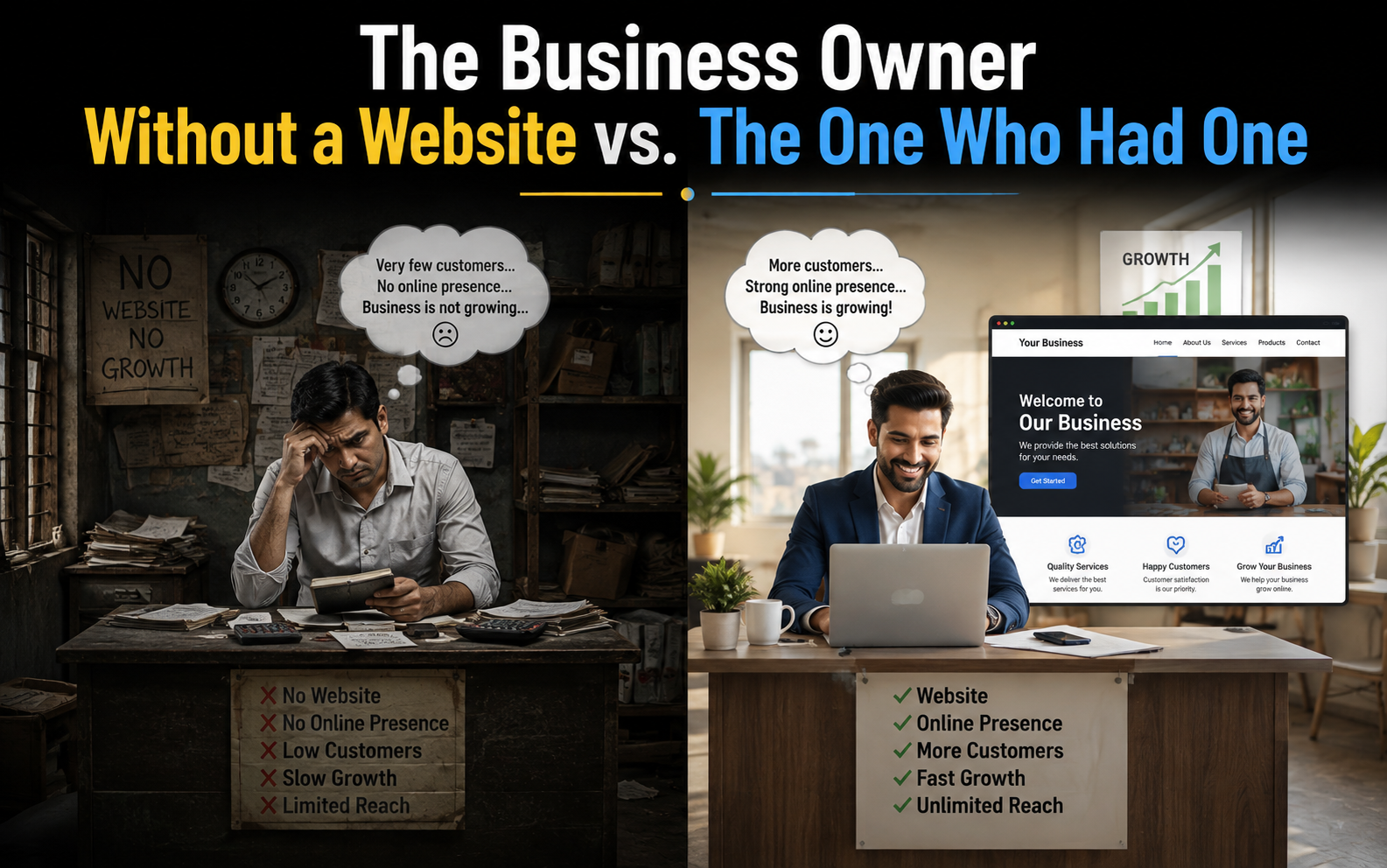
A Tale of Two Bakeries On the same street in a mid-sized town, two bakeries opened within a month of each other. Both owners were skilled bakers. Both had good locations, warm smiles, and a genuine love for their craft. But five years later, one of them was struggling to keep the lights on, while the other had opened a second location and was fielding orders from three neighboring cities. The difference wasn’t the bread. It wasn’t the price, either. It was a website – and, more specifically, what happened after one of them decided to build one properly. This is their story. Meet Daniel: The Baker Who Trusted Word of Mouth Daniel had spent fifteen years perfecting his sourdough before he finally opened “Daniel’s Hearth” on Miller Street. He believed, quite reasonably, that good bread sells itself. His regulars loved him. The smell of fresh loaves drew people in from the sidewalk every morning, and for the first two years, business was steady. But steady wasn’t the same as growing. When a food blogger asked if Daniel had an Instagram or a website she could link to, he laughed it off. “People know where to find me,” he said. “I don’t need any of that internet stuff.” He didn’t have a way to take online orders. He didn’t have a page where people could see his hours, his specials, or even confirm he existed before driving across town. If someone searched “bakery near me” on their phone, Daniel’s Hearth simply didn’t show up – while three competitors did. Slowly, the cracks started to show. A catering client who wanted to place a large wedding order couldn’t find any information online and assumed the bakery was too small to handle it, so she booked elsewhere. A young couple new to town searched for “best bakery in [town]” and found glowing reviews for a shop two blocks away – a shop that, frankly, wasn’t as good as Daniel’s, but was easy to discover. Foot traffic that once relied on word of mouth began to plateau, then slip, as fewer new customers discovered him and older regulars moved away or changed routines. Daniel didn’t understand it. His bread hadn’t changed. His prices hadn’t changed. But the way people searched for businesses had changed completely, and he hadn’t changed with it. Meet Renata: The Baker Who Took a Chance A few blocks away, Renata opened “Golden Crust” around the same time. She was every bit as talented as Daniel, but she had one nagging worry: she didn’t know how to reach people beyond her immediate neighborhood. A friend recommended she talk to a small technology studio that had just started making a name for itself – Elite Soft Tech. Renata was skeptical going in. “I’m a baker, not a tech person,” she told them during their first call. “I don’t even know what half of this stuff means.” The Elite Soft Tech team didn’t try to bury her in jargon. Instead, they asked simple questions: Who are your customers? What do they want to know before they walk through your door? What’s frustrating about how people find you today? From those conversations, they built Golden Crust a clean, fast-loading website. It had her menu, her hours, and photos that actually looked like her pastries – not stock images. It had a simple online ordering system so customers could reserve a custom cake without a phone call. It had a page dedicated to wedding and event catering, with real photos of real cakes she’d made, so brides could see her work before ever stepping inside. And critically, Elite Soft Tech optimized the site so that when someone nearby searched “bakery,” “custom cakes,” or “wedding catering,” Golden Crust actually appeared. Renata was hesitant about the cost at first. “Is this really going to be worth it?” she asked. “Give it three months,” the Elite Soft Tech project lead told her. “Then let’s look at the numbers together.” Three Months Later By the third month, Renata didn’t need convincing anymore. Her online order form alone was generating a steady stream of custom cake requests – people who had never walked past her shop but had found her through a search engine, a shared link, or a friend’s recommendation on social media that pointed straight to her site. A corporate office two towns over found her catering page and placed a standing weekly order for their breakroom. A bride-to-be messaged her directly through the website’s contact form after browsing her wedding cake gallery at midnight, unable to sleep and scrolling through ideas. None of that would have happened through foot traffic alone. Elite Soft Tech didn’t disappear after launch, either. They checked in monthly, showing Renata simple reports: how many people visited her site, which pages they lingered on, where they came from. When they noticed most visitors were browsing on their phones, they adjusted the site’s design so ordering was even easier on a small screen. When Renata mentioned she wanted to sell gift boxes for the holidays, they helped her add a seasonal ordering page in under a week. It wasn’t magic. It was infrastructure – the digital version of a well-lit, well-organized storefront that never closes, doesn’t get tired, and works even while Renata sleeps. The Gap Widens Two years in, the difference between the two bakeries had become impossible to ignore. Daniel’s Hearth still relied entirely on people physically passing by or already knowing about him. He’d occasionally get a customer who found him on a review site because someone else had mentioned him there, but he had no control over that story – no way to correct outdated hours, showcase new products, or capture someone’s attention before they chose a competitor instead. His revenue had flattened, and rising rent was starting to squeeze his margins. He began wondering, quietly, whether the business could survive another five years. Golden Crust, meanwhile, had expanded. Renata’s online orders now made up nearly forty percent